
TL;DR: Alicante has much more than its famous Mercado Central. The city also has neighbourhood covered markets, four regular street mercadillos and seasonal artisan markets by the coast. Mercado Central is the obvious starting point for first-time visitors, while Babel, Benalúa, Carolinas and José Manuel Gosálbez offer a more local experience. For street markets, Thursday and Saturday mornings are the key times to remember.
Planning a stay in Alicante? Explore the city from a comfortable base close to its markets, historic centre, restaurants and seafront.
Table of Contents
- Mercado Central
- The four street mercadillos
- The summer craft market by the sea
- A few practical notes
- FAQ
If you ask a local where to really get a feel for Alicante, chances are they won’t point you to a monument. They’ll tell you to go to a market on a Thursday morning, elbow your way past a fishmonger shouting the price of dorada, and just watch. Markets here aren’t a tourist add-on. They’re where the city actually talks to itself.
This guide covers only what’s inside Alicante proper, no day trips to Santa Pola or El Campello, however charming those might be. Just the markets you can reach on foot or by a short tram ride from the centre. There are more of them than most newcomers expect, and they’re wildly different from one another: a cathedral-like covered market, four sprawling street mercadillos scattered across the neighbourhoods, a quiet local market you’ll only find if someone tells you about it, and a seasonal craft fair by the sea that smells like leather and turrón.
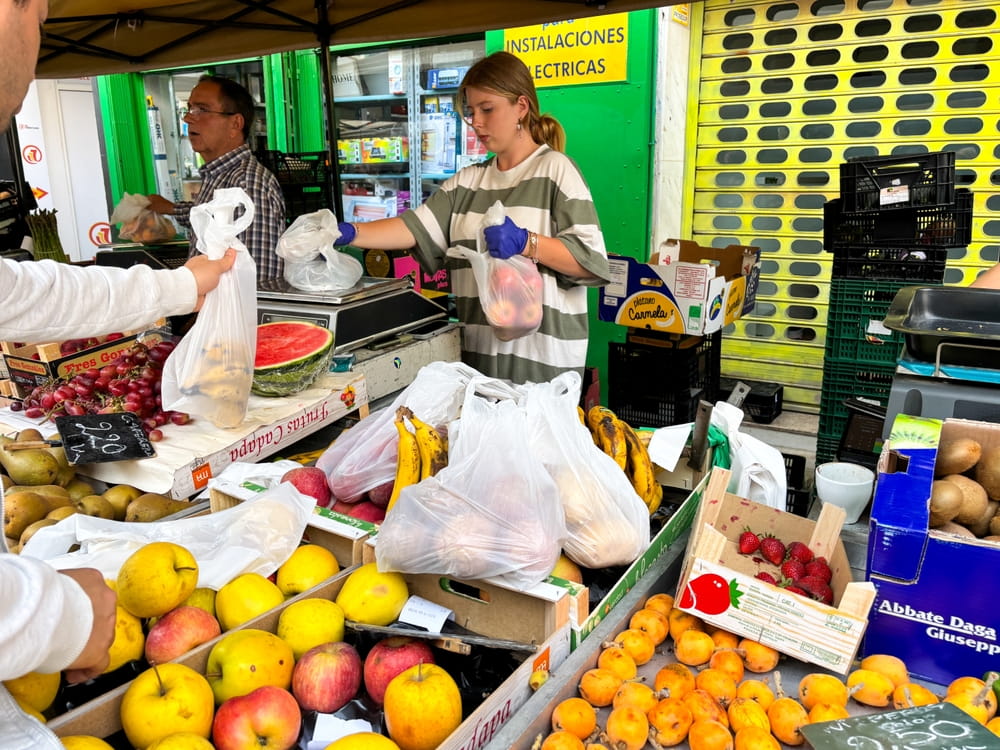
Photo: Civil / Shutterstock.com
Mercado Central: the one everyone should see at least once
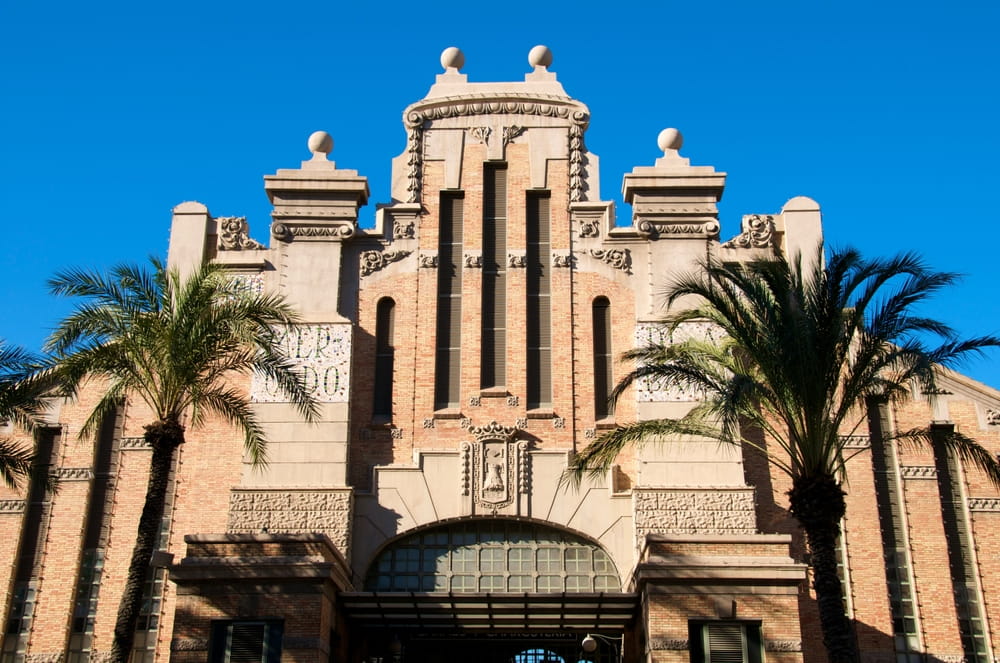
Start here – you definitely won’t regret it. The Mercado Central sits on Avenida Alfonso X El Sabio, close to where the Rambla meets the old town, and it’s been running since 1921. The building alone is worth the walk: an eclectic modernist structure with a domed rotunda, giant stone steps at the main entrance, and enough natural light pouring through its windows that even the fish counters look almost glamorous.
Downstairs and up, there are still close to 300 stalls, most of them run by families who’ve had the same pitch for generations. Ground floor is meat, ham, cheese, that sort of thing. Head down the escalators and you hit the fish, the fruit and veg, the bakeries, the honey and nut stalls, even a pharmacy tucked in among it all. People genuinely come here for their daily shop, not just for a photo. That’s the part that surprises visitors: this isn’t staged for tourism, it just happens to be beautiful.
A few things worth knowing before you go:
- It runs Monday to Saturday, roughly 7:00 to 14:30, with Fridays also opening again in the evening from around 17:30 to 20:30.
- Sundays it’s closed, like nearly every traditional market in Spain.
- Go early if you want the full atmosphere. By late morning it’s busy in a good way; by midday things start winding down and some stalls are already packing up.
- Prices are marked, which locals will tell you isn’t a given at every street market, so you won’t need to guess whether you’re being quoted the «tourist rate».
- Try the jamón ibérico from one of the charcuterías, and if you spot coca mollitas (a traditional salty flatbread or cake) at a bakery stall, grab one. It’s a small, unassuming Alicante specialty that most guidebooks skip entirely.
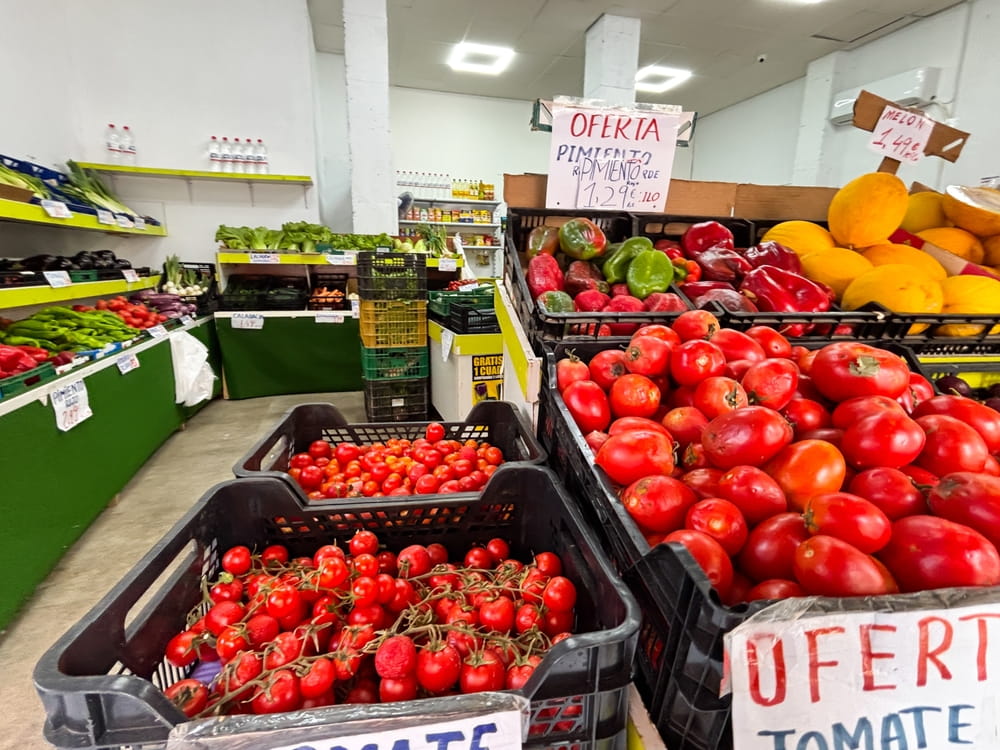
Photo: Civil / Shutterstock.com
There’s also a smaller, lesser known sibling: the Mercado de Benalúa, on Calle Pérez Medina. It opened in 1947, has around forty stalls, and gets almost no tourist traffic at all. Monday to Friday it’s open 7:30 to 14:00, Saturdays a bit later, until 15:00. If Mercado Central is the show, Benalúa is the neighbourhood pantry. Worth a visit if you’re staying nearby or just curious what a market looks like when nobody’s performing for a camera.
For more ideas on combining the market with the rest of the city, see our guide to Alicante’s top sights and our Alicante gastronomic guide.
✨Club Alegria
Sign up for our club and enjoy its benefits:
✔10% exclusive discount
✔Welcome amenity: complimentary water and coffee capsules
✔Check-out at 1:00 PM or Early check-in at 2:00 PM (optional)
The four street mercadillos: Alicante’s real weekly rhythm
This is where the guide gets useful for anyone actually living in the city, not just passing through. Alicante runs four official open-air street markets, all municipal, all on the same schedule: Thursdays and Saturdays, 8:00 to 14:00 (if a holiday falls on one of those days, it usually shifts to the day before). Each one belongs to a different neighbourhood and has its own personality.
Mercadillo de Babel, spread across the streets of Pardo Gimeno, Asilo and Guillén de Castro, is the biggest of the four, sometimes topping 500 stalls. It’s the classic everything-market: clothes, shoes, household goods, books, the odd stack of vinyl records, occasionally a bicycle leaning against someone’s stall for no obvious reason. Bring cash, bring patience, and don’t expect to move quickly.
Mercadillo de Benalúa, on Carratalá street right next to the covered market of the same name, is smaller and leans harder into everyday essentials. Fruit, vegetables, textiles, home goods. Less of a browsing experience, more of a «I need socks and tomatoes» errand, which of course has its own charm.
Mercadillo de Carolinas sits around San Mateo, San Benito, Manuel Senante and neighbouring streets, and runs a bit smaller again, closer to 180 stalls. Good if you want a mercadillo without the crowd-crush of Babel.
Mercadillo José Manuel Gosálbez, often still called by its old name, Gran Vía-Teulada, is the smallest of the four and the one people go to for second-hand finds and the occasional genuine antique. Around 65 stalls, but there always seems to be one unexpectedly good discovery hiding among them.
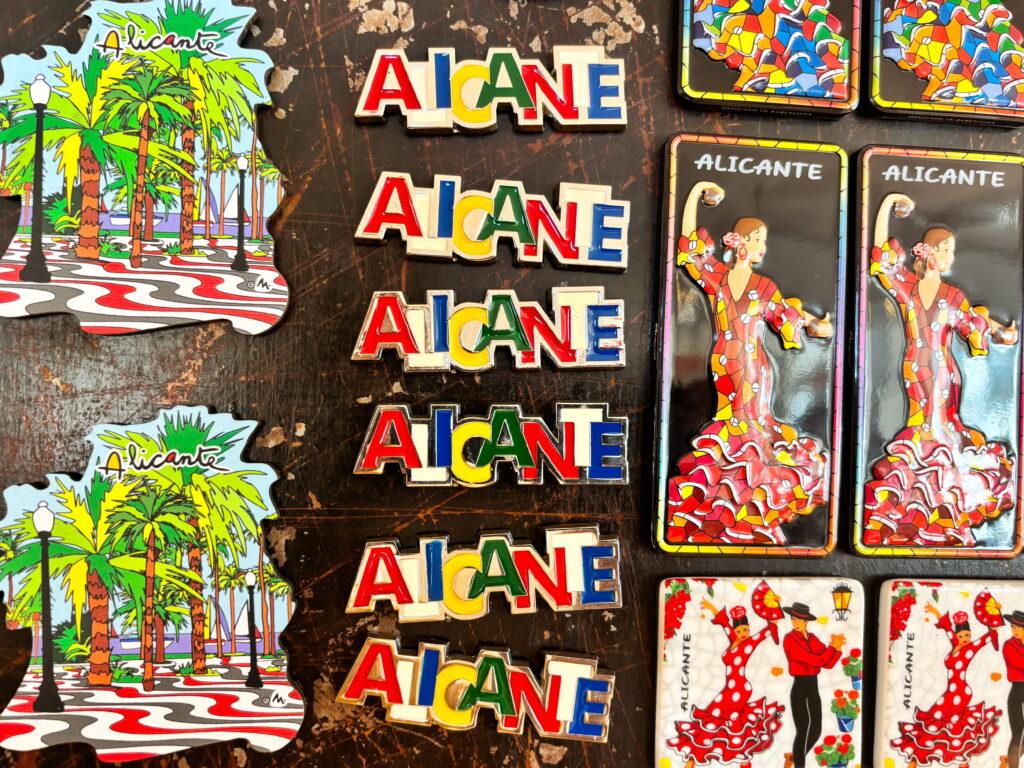
Photo: Civil / Shutterstock.com
None of these are designed with the interests of any particular category of buyers in mind, and that’s exactly the point. If you’re thinking about relocating to Alicante, or you already have and haven’t found «your» market yet, spending one Saturday morning wandering through each will tell you more about where you’d want to live than any listing photo ever could. A neighbourhood with a lively mercadillo tends to be a neighbourhood with a lively everything else.
If markets are only one part of your shopping plans, our complete guide to shopping in Alicante covers the city’s main shopping streets, malls, boutiques and other places to shop.
The summer craft market by the sea
Come July, something shifts along the seafront. Between the 1st of July and late September, a string of wooden artisan huts appears, traditionally along the Paseo de la Explanada near Postiguet beach, selling handmade ceramics, glasswork, leather goods, jewellery, natural soaps, fans, and sweets like pan de dátiles and sugar-coated pipas garrapiñadas. Stalls usually open from early evening, around 19:00, and stay lively well past midnight during the busiest weeks, which makes it a lovely thing to stumble into after dinner rather than something you plan a whole afternoon around.
One small caveat: the exact location of this market has been in flux. The city council has debated moving or reducing the artisan stalls on the Explanada itself for a few years now, shifting some vendors toward the Playa de San Juan and Avenida de Niza area instead. There’s also a separate, more formal Feria de Artesanía that pops up in spring and around Christmas, sometimes on the Explanada, sometimes in Parque de Canalejas near the port. So treat the «where» as something to double check closer to your visit rather than fixed forever. The «when», at least in summer, has stayed reliably consistent for years.
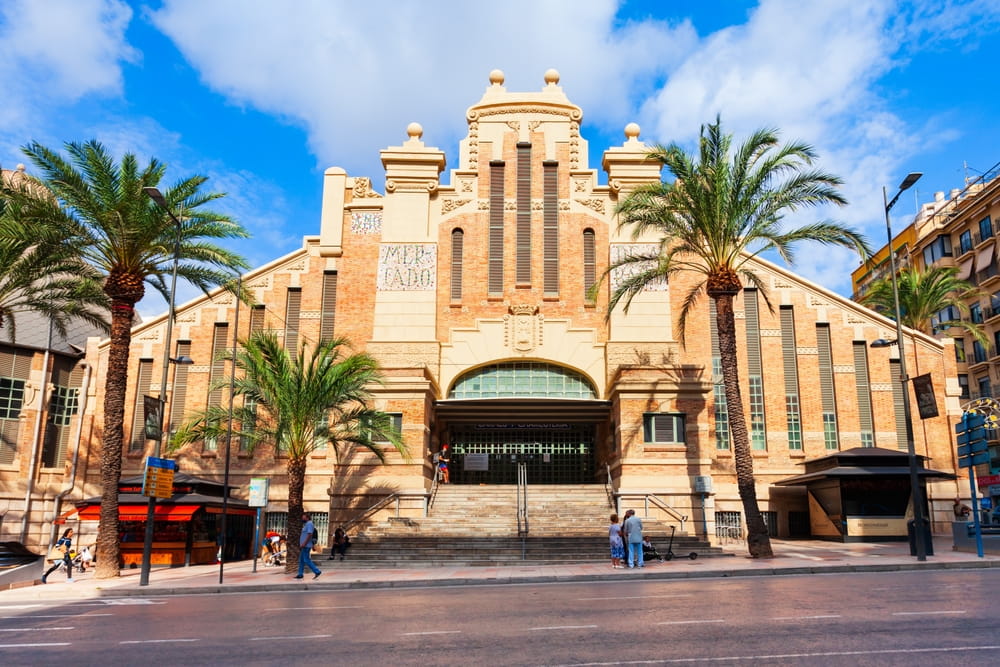
Photo: saiko3p / Shutterstock.com
A few practical notes, gathered the hard way
Cash is still king at nearly every mercadillo, though the covered markets increasingly take cards. Bring small bills if you can, vendors don’t always love breaking a fifty for a bag of oranges.
Bargaining exists at the second-hand and antiques stalls, but it’s gentle, not theatrical. A polite «¿algo mejor*?» (something better on the price?) goes further than an aggressive haggle.
Mornings are cooler, fresher, and considerably less crowded than you’d assume from how busy Spanish markets look in photos. Arrive by nine if you want first pick of the produce, or by opening time if you’re chasing something specific among the second-hand stalls, the good finds don’t last.
And if a market day falls on a public holiday, don’t assume it’s cancelled outright, it’s usually just shifted a day earlier. Worth a quick check rather than a wasted trip.
Want to experience Alicante beyond the usual tourist route? Stay in the city centre and discover its markets, neighbourhoods, beaches and local food at your own pace.
FAQ about Alicante markets
What is the main market in Alicante?
Mercado Central is Alicante’s best-known covered market. It is located on Avenida Alfonso X El Sabio near the city centre and Old Town.
What days are the street markets held in Alicante?
The four municipal street mercadillos mentioned in this guide – Babel, Benalúa, Carolinas and José Manuel Gosálbez – run on Thursdays and Saturdays from 8:00 to 14:00.
Which Alicante street market is the biggest?
According to the article, Mercadillo de Babel is the biggest of the four, sometimes topping 500 stalls.
Should I bring cash to Alicante’s markets?
Yes. Cash is still useful at street mercadillos, although covered markets increasingly accept cards. Small bills are particularly convenient.
What is the best time to visit Alicante’s markets?
Morning is generally best. Arriving by around 9:00 gives you a good choice of produce and a lively atmosphere, while arriving at opening time is preferable if you are looking for specific second-hand finds.