
TL;DR
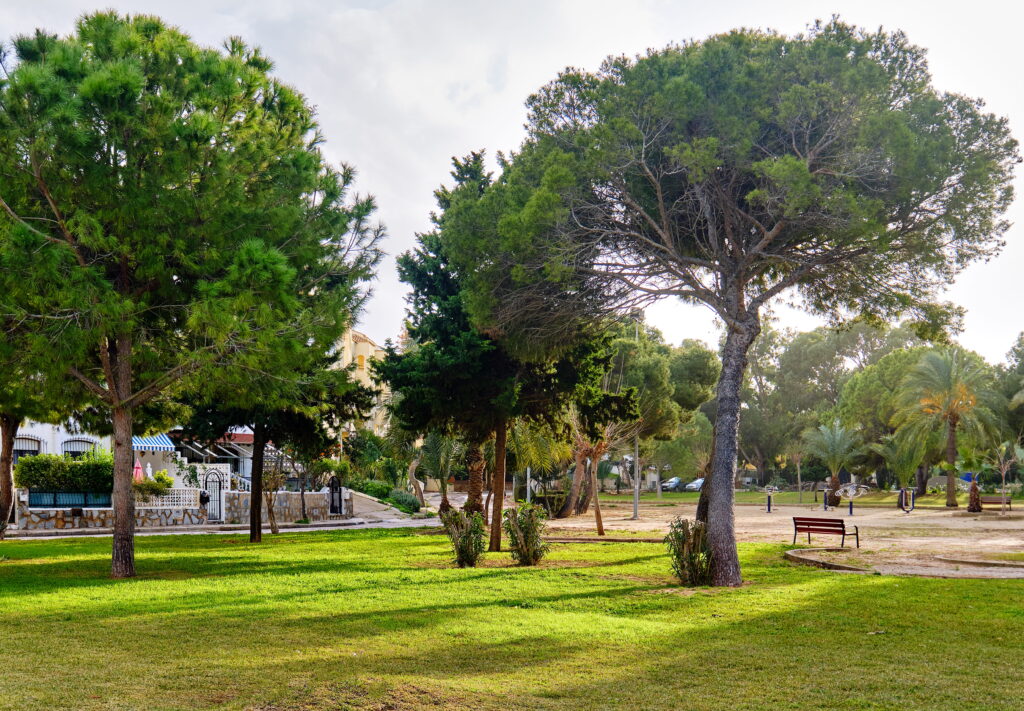
- City parks: Alicante has several worthwhile green spaces inside the city, including El Palmeral, La Ereta, Canalejas, La Marjal and Lo Morant.
- Best for palms: Parque El Palmeral is one of the city’s most distinctive green areas, with thousands of palm trees, ponds, paths and family-friendly facilities.
- Best views: Parque de la Ereta combines landscaped terraces with panoramic views over Alicante, the harbour and the Mediterranean beneath Santa Bárbara Castle.
- Nature near Alicante: within one or two hours of the city you can reach wetlands, salt lagoons, mountain parks and coastal reserves such as El Hondo, Salinas de Santa Pola, Montgó and Font Roja.
- Wildlife: flamingos and other bird species are among the main attractions of the wetlands around Santa Pola, El Hondo and the lagoons of La Mata and Torrevieja.
- For hiking: Montgó, Peñón de Ifach, Serra Gelada and Font Roja are among the best options for visitors who want more demanding outdoor routes.
- For a day trip: Tabarca, Elche and the natural parks around the Costa Blanca can easily be combined with a stay in Alicante.
Say the name «Alicante» and most people picture the Esplanada promenade, the beaches, maybe the castle on the hill. What rarely makes the postcard is how green this city and its surrounding province actually are – from a palm grove with over thousands trees on the edge of town, to wetlands where flamingos outnumber people, to a mountain range that turns from Mediterranean scrubland to near-alpine forest in under an hour’s drive.
This guide walks through all of it: the parks inside the city, the nature reserves just beyond it, and the bigger natural parks that make Alicante province one of the most biodiverse corners of Spain’s east coast.
Planning to explore Alicante beyond the beach?
Stay close to the city centre and use Alicante as a comfortable base for parks, viewpoints and day trips across the Costa Blanca.
The Best Parks Inside Alicante City
Parque El Palmeral – the palm tree park everyone’s looking for
If you’ve searched for «Alicante palm park» or «palm tree park Alicante», this is the one. El Palmeral Park stands out for its lush vegetation, home to over 7,000 palm trees, including the majestic date palm, which can grow up to 20 meters tall. Opened in 1997 and covering roughly 72,000 square metres, it sits on the southern edge of the city along Avenida de Elche, and unlike the more famous palm groves inland, this one faces the sea.
It’s built on a slope, so the park unfolds across several levels – a design that gives it a sense of depth most flat urban parks lack. Wooden bridges cross an artificial lake, gravel paths wind past flowerbeds and a small waterfall, and there’s enough going on – a boating pond, a BMX track, an outdoor gym, playgrounds, a café – that families can happily lose an afternoon here without ever feeling like they’ve left nature behind. Entry is free, and the park stays open until midnight in summer, 11pm in winter.
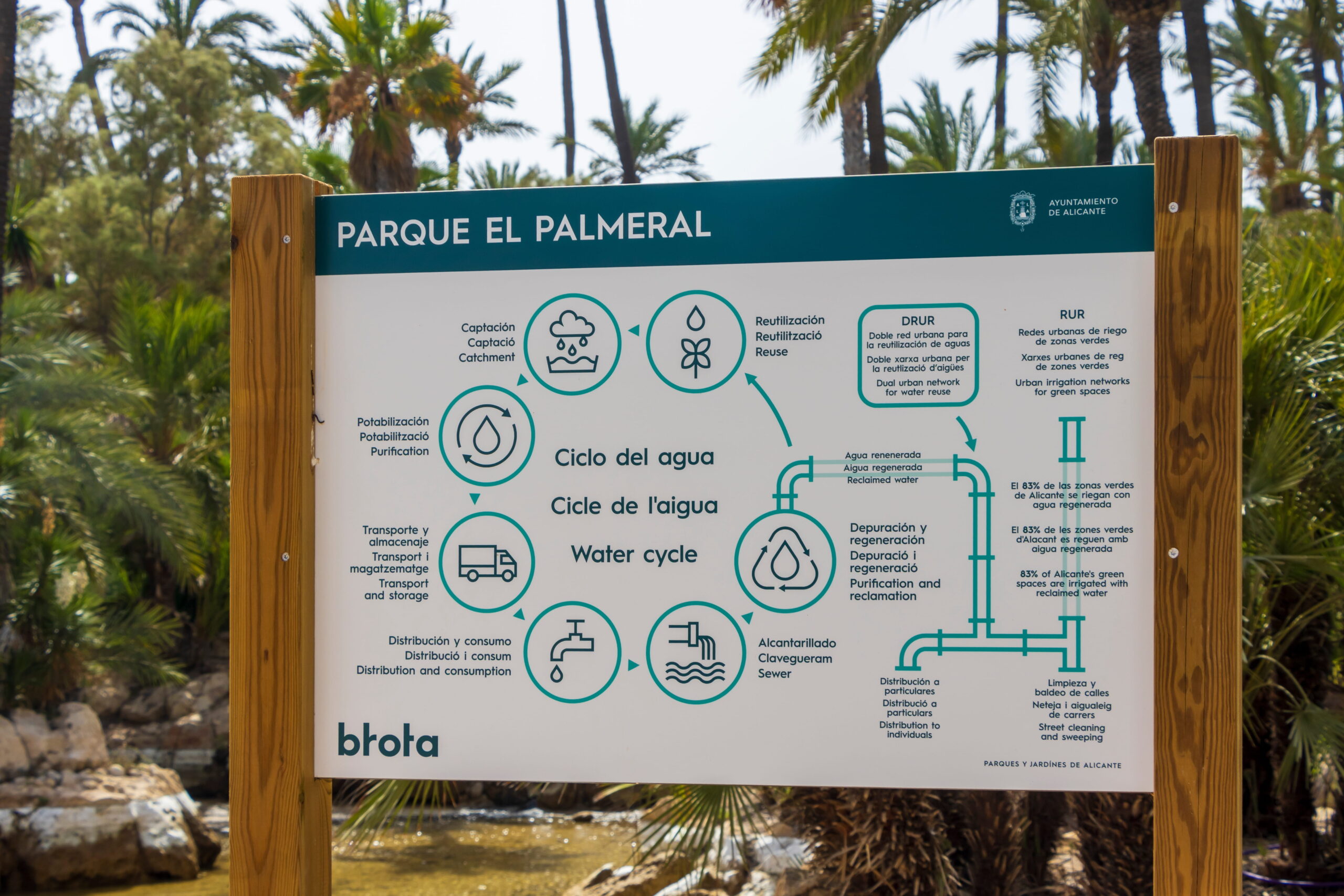
Photo: daily_creativity / Shutterstock.com
Locals will tell you it’s had better days – a few pavilions could use fresh paint, but that hasn’t stopped more than one visitor from calling it the most beautiful and most quiet park in Alicante, precisely because it sits far enough from the centre that day-trippers rarely find it.
- Address: Avenida de Elche, 109, 03008 Alicante, Spain
- Website
Parque de la Ereta – the magnificent view
Tucked into the slopes below Santa Bárbara Castle, La Ereta Park is a natural oasis offering spectacular views of the city and the sea, with winding paths that let you enjoy nature in the heart of the urban centre. This is the park for anyone who wants greenery and a postcard skyline in the same five minutes. It’s compact compared to El Palmeral, but the payoff – Alicante’s rooftops, the harbour, and the Mediterranean stretching out below the castle walls is hard to match anywhere else in the city.
For more viewpoints in the city, see our guide to Alicante’s top sights.
- Address: Parque de La Ereta, s/n, 03001 Alicante, Spain
- Website
🍂 Autumn Getaway
Autumn still feels like summer in Alicante. Take advantage of our special offer:
✔Book 3 nights and get 15% off
✔Book 5 nights and get 20% off
✔Welcome bottle of Alicante wine (one per stay)
✔Late check-out until 1:00 pm (subject to availability)
📅 Valid for stays from September 15 to November 30.
Cannot be combined with Club Alegría or other promotions. Subject to availability.
Parque de Canalejas
This is Alicante’s only romantic-style park, tucked near the Las Cigarreras Cultural Centre and the bullring, just a five-minute walk from the Central Market. It’s small, shaded, and old-fashioned in the best sense – mature trees, benches, and none of the crowds you’ll find down on the seafront.
- Address: Av. de Ramón y Cajal, 6, 03003 Alicante
La Marjal Floodable Park
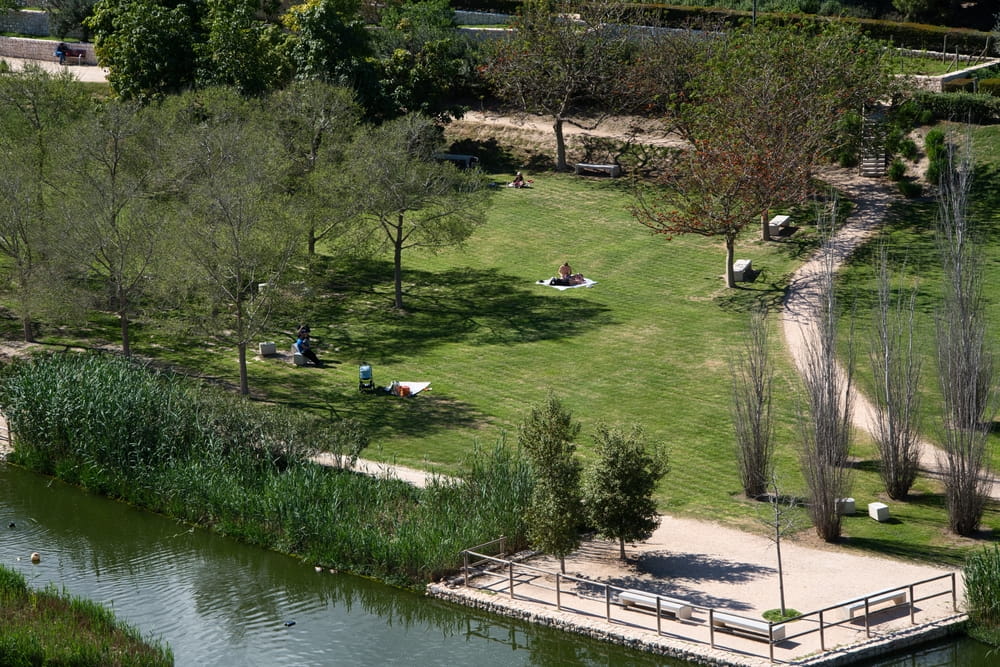
Photo: Ruth Laguna / Shutterstock.com
A more recent addition, and one that says a lot about how Alicante is thinking about its green spaces going forward. La Marjal is an innovative green space near San Juan beach, designed to prevent flooding while combining nature and technology – lush landscaping, trails, and recreation areas that have picked up design awards along the way.
- Address: Avinguda de les Nacions, 03540 Alacant, Alicante
Parque Lo Morant and the smaller squares
Beyond the headline parks, Alicante is stitched together with smaller green corners – Plaza Gabriel Miró, Plaza del Puente, and neighbourhood parks like Lo Morant: each offering a quieter, more local slice of the city’s outdoor life.
- Address: C. Lugo, 5, 03011 Alicante
Combining parks with Alicante’s main sights?
You can easily pair La Ereta or Canalejas with the Old Town, Santa Bárbara Castle, the Explanada and the seafront.
National Parks and Nature Reserves Near Alicante
This is where the province really shows off. Within an hour or two of Alicante city, the landscape shifts dramatically – coastal wetlands, salt lagoons turned pink with flamingos, limestone massifs, and forested mountains that feel a world away from the beach.
If you are planning several excursions, our guide to the best places to visit near Alicante is a useful starting point for combining coastal towns, mountains and natural landscapes.
El Hondo Natural Park
South of the city near Elche and Crevillente, El Hondo is a crucial wetland habitat teeming with birdlife, a haven for migrating and resident species where birdwatchers can spot flamingos, herons, egrets and more. The park is built around a reservoir fed by numerous streams, with reedbeds, eucalyptus and rushes providing cover for carp, eels, grey mullet and other freshwater species. It’s one of the most important wetlands on Spain’s Mediterranean coast, and one of the easiest to reach from Alicante.
- Address: 03293 Elx, Alicante
- Website
Salinas de Santa Pola
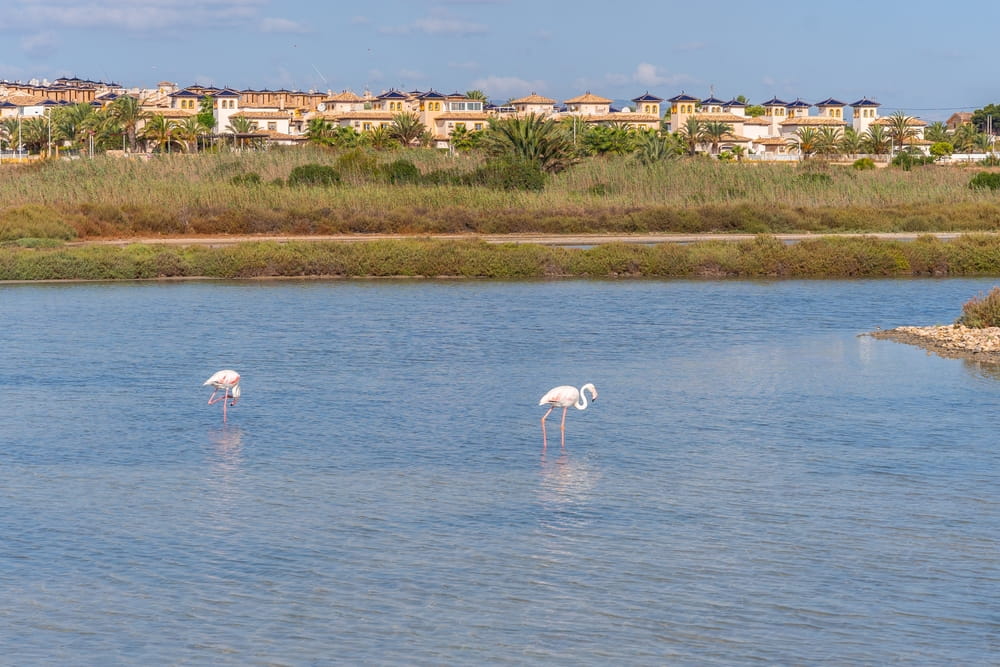
This flat, extensive park in the bay of Santa Pola is an unbeatable option to visit with children and home to one of the largest flamingo populations in Spain, spread across 2,470 hectares that include working salt mines, freshwater ponds, dunes, a beach and a small cultivation area. The salt mines have operated since the 19th century, which is part of why the flamingos and stilts keep coming back – the flooded pans never fully dry out.
- Address: Ayuntamiento, Plaza Constitución, s/n, 03130 Santa Pola, Alicante
- Website
Lagunas de la Mata y Torrevieja
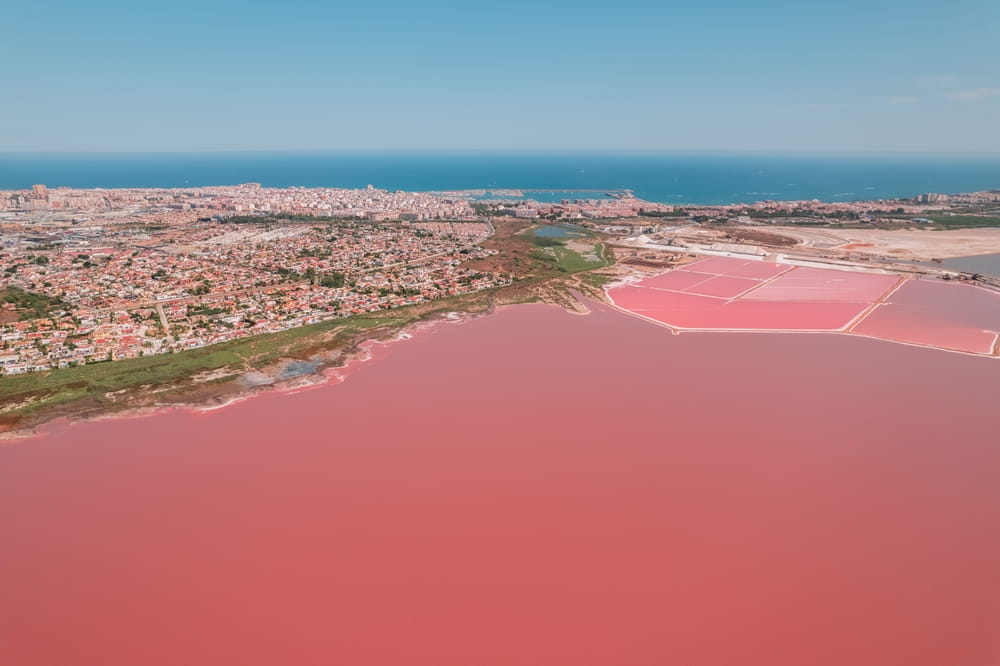
Further south, this pair of pink-tinged lagoons is another flamingo stronghold. More than 100 species of birds, amphibians and reptiles live around the La Mata-Torrevieja lagoons, and inside the park lie Torrevieja’s salt lakes, which still produce hundreds of thousands of tonnes of salt each year.
- Address: Ctra. Nacional, s/n, 03188 Torrevieja, Alicante
- Website
Montgó Natural Park
North of Alicante, between Dénia and Jávea, the Montgó massif dominates the skyline the same way Vesuvius dominates Naples – you can’t fail to notice it. The reserve covers 2,150 hectares and rises to 753 m, home to 650 species of plants and animals spread across six different trails, with a visitor centre covering the ecosystems both on the mountain and along the seabed of Cabo de San Antonio. It’s popular with hikers and cyclists for good reason: the views over the Mediterranean from the upper trails are some of the best on this stretch of coast.
- Address: Camí de Sant Joan, 03700 Dénia, Alicante
- Website
Font Roja Natural Park
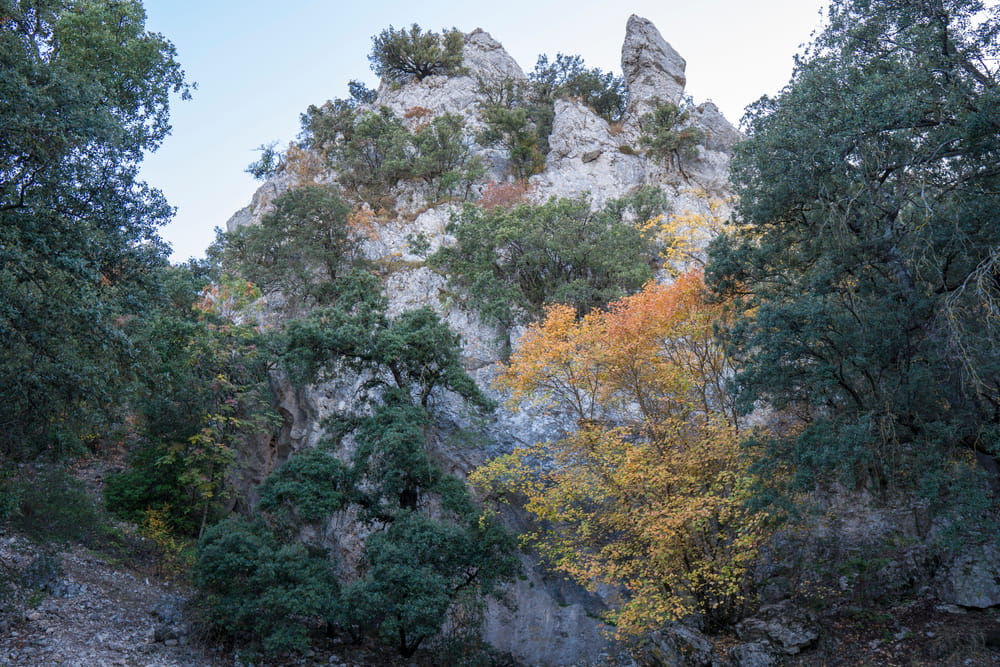
Inland, near Alcoy, the landscape changes completely. Font Roja is a natural environment of abundant, lush vegetation – a forest of kermes oak and Valencian oak that shelters wild cats, wild boar, badgers and weasels, making it a genuine escape from the coastal heat and crowds. If you only associate Alicante province with beaches and pine scrub, this park will change your mind.
- Address: s/n, Ctra. Font Roja, 03801 Alcoi, Alicante
- Website
✨Club Alegria
Sign up for our club and enjoy its benefits:
✔10% exclusive discount
✔Welcome amenity: complimentary water and coffee capsules
✔Check-out at 1:00 PM or Early check-in at 2:00 PM (optional)
Peñón de Ifach and Serra Gelada
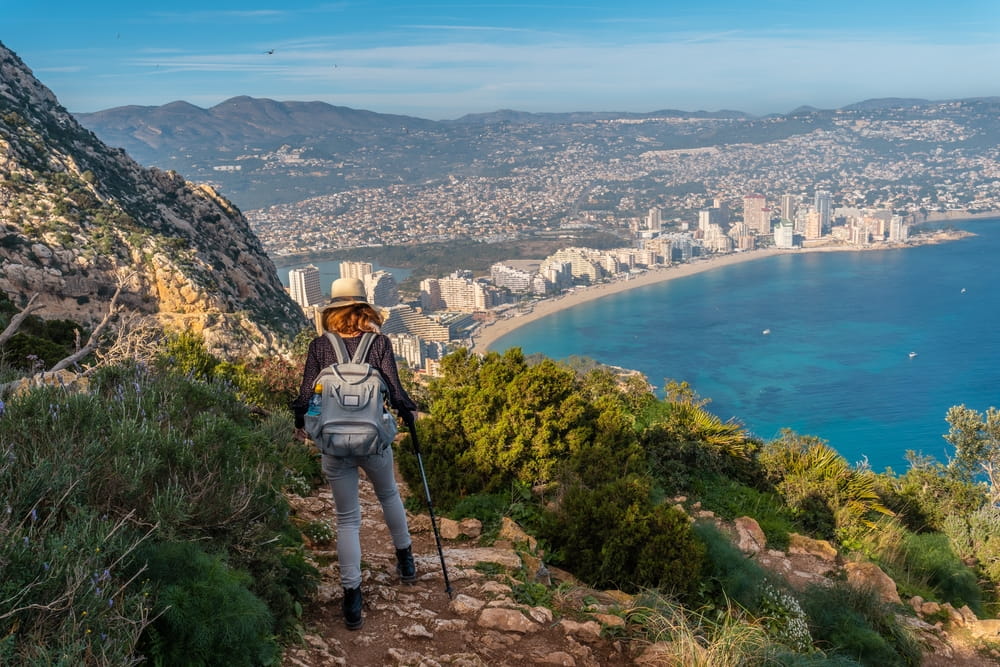
Two coastal landmarks worth calling out on their own. The Peñón de Ifach at Calpe is a natural symbol of the whole Alicante region – a sheer limestone rock jutting straight out of the sea, climbable via a tunnel-and-trail route with views that make the sweaty ascent worth it. Serra Gelada, near Benidorm, offers a similarly dramatic clifftop hiking experience with the added bonus of usually being far less crowded than the beaches below it.
- Address (Peñón de Ifach): C. Isla de Formentera, S/N, 03710 Calp, Alicante
- Website
- Address (Serra Gelada): Cam. Cruz, 03581 L’Alfàs del Pi, Alicante
Isla de Tabarca – a marine reserve
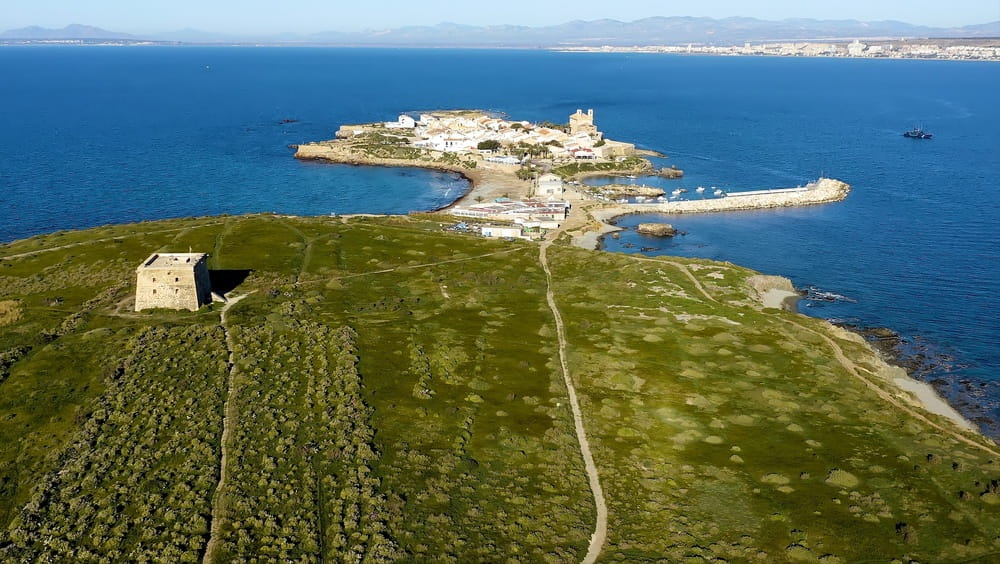
Just off the coast, Tabarca is Spain’s oldest marine reserve and worth a mention alongside the land-based parks. Tabarca’s marine reserve status highlights the importance of safeguarding marine ecosystems, and visitors are asked to choose reef-safe sunscreen and avoid touching marine life while snorkelling or diving. It’s a short boat ride from Alicante’s, Santa Pola’s or Benidorm’s harbour and one of the easiest ways to combine a nature reserve visit with a proper day at the beach.
Botanical Gardens Around Alicante
Alicante itself doesn’t have a dedicated large-scale botanical garden in the way some Spanish cities do, but the region more than makes up for it. El Palmeral functions as a de facto botanical showcase for palm species, and a short drive away, Elche is home to the Palmeral de Elche – a UNESCO World Heritage-listed palm grove and the largest of its kind in Europe, with the historic Huerto del Cura garden inside it standing out as one of the most visited botanical gardens on the entire Costa Blanca. If botanical variety is what you’re after, pairing a morning at El Palmeral in Alicante with an afternoon in Elche is the move most locals would recommend.
- Address: Passeig de l’Estació, s/n, 03202 Elx, Alicante
- Website
So, What Is the Most Beautiful Park in Alicante?
There’s no single correct answer, and asking a local will get you a different reply depending on the day, but a few places come up again and again.
For sheer green space, El Palmeral has a strong claim: more than one visitor has described it as an almost otherworldly, breathtaking spot, and its distance from the centre means it rarely feels crowded. For views, nothing beats La Ereta – the combination of Santa Bárbara Castle, the old town rooftops and the sea, all seen from among the park’s own terraced gardens, is one of the most photographed angles of the city for a reason. And if you widen the question to the whole province, the natural parks pull ahead on sheer drama: Montgó rising straight out of the sea near Dénia, the Peñón de Ifach at Calpe, or the pink-tinged lagoons of Salinas de Santa Pola and La Mata-Torrevieja at sunset, when the flamingos are backlit against the water.
If pressed for one honest answer: the most beautiful park in Alicante isn’t really a single place, it’s the range: a free, palm-lined city park you can reach on foot, a hilltop garden with the whole bay laid out below it, and, within an hour’s drive, wetlands, salt lagoons and limestone mountains that few other Mediterranean provinces can match for variety in such a small radius.
Planning Your Visit
Here’s the good news: most of the city parks – El Palmeral, La Ereta, Canalejas – are free and open long hours, so you can easily fit one in alongside a beach day or a stroll through the old town. No planning required, just show up. The natural parks further out ask a bit more of you: a car for most of them, and for Montgó or Font Roja, proper walking shoes and a full water bottle, since these are real hikes, not strolls.
Timing helps too. If birdwatching is your thing, aim for spring or autumn, when the wetlands fill up with migratory flamingos and herons passing through. If it’s the mountains you’re after, go in the cooler months – the Mediterranean sun is no friend to anyone climbing Montgó in August.
Turning Alicante into a base for a few days of nature and city exploring?
Stay in the city, visit the parks on foot and save the longer days for Tabarca, Elche or the mountain routes around the province.
At Alegría, we like to think Alicante rewards anyone willing to look past the beach umbrellas – and honestly, that’s half the fun of living here. Whichever combination you choose, be sure: you’re in for a good day out.
FAQ
What is the best park to visit in Alicante city?
For greenery and palm trees, Parque El Palmeral is one of the strongest choices. For panoramic views over the old town, harbour and Mediterranean, Parque de la Ereta is particularly impressive.
Is Parque El Palmeral in Alicante free?
Yes. According to the information in the article, entry to Parque El Palmeral is free, making it an easy addition to a city itinerary.
Where can you see flamingos near Alicante?
The article highlights El Hondo Natural Park, Salinas de Santa Pola and the Lagunas de la Mata y Torrevieja as important wetland areas where flamingos and other bird species can be seen.
What are the best natural parks for hiking near Alicante?
Montgó Natural Park, Font Roja, Peñón de Ifach and Serra Gelada are among the main options mentioned in the article for visitors interested in hiking and more dramatic landscapes.
Can you visit Alicante parks without a car?
The main city parks, including El Palmeral, La Ereta and Canalejas, can be visited from Alicante itself. Many of the larger natural parks elsewhere in the province are easier to reach by car.