
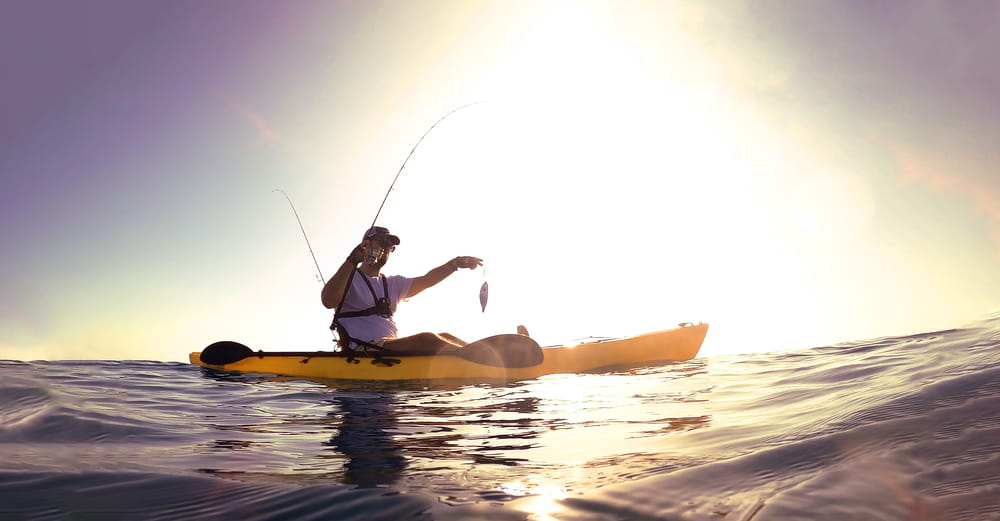
- Alicante is a strong all-round fishing destination thanks to accessible shore spots, rocky headlands, marinas, charter operators and a varied Mediterranean habitat.
- Good shore fishing areas include Cabo de las Huertas, Santa Pola, Torrevieja and El Campello, with species such as seabream, mullet, sea bass, mackerel, garfish, squid and cuttlefish.
- Tourists can fish in Alicante, but an independent angler needs a valid recreational fishing licence. Licensed charters usually include the necessary permits for clients.
- Spring and autumn are especially good for variety, summer is better for tuna, bonito and amberjack, and winter can still be productive for seabream, squid and cuttlefish.
Planning a fishing-focused stay in Alicante? Choose a comfortable base close to the city, port, beaches and coastal routes.
Most people come to the Costa Blanca for the beaches. The ones who stay longer discover something else: a stretch of Mediterranean coastline that quietly ranks among Spain’s best all-round fishing destinations. Rocky headlands drop straight into deep, clear water. Long breakwaters shelter seabream and mullet just metres from parked cars. And a short boat ride out, the continental shelf holds amberjack, dentex, and – in season – bluefin tuna big enough to test the strongest tackle you own.
What makes Alicante work as a fishing destination isn’t one spectacular spot – it’s the combination of accessible shore fishing, well-run marinas, experienced charter operators, and a marine environment healthy enough to support real variety. Before any of that, though, there’s paperwork. Spain enforces its recreational fishing rules properly, and that catches out more visitors than you’d expect. This guide covers what you actually need to know: the licence, the best spots, what’s biting and when, and the etiquette that keeps the coastline fishable for the next person.
Water Adventures in Alicante: The Best Water Sports and Activities on the Costa Blanca
Yes, You Can Fish Here – And Tourists Are Welcome
Recreational fishing is a genuine local pastime in Alicante Province, not a niche tourist activity. Walk any harbour wall at dawn and you’ll find locals already set up. The warm Mediterranean climate, combined with rocky reefs, sandy flats, and dense Posidonia seagrass meadows, gives the coast an unusually rich underwater landscape for a relatively small area – which is exactly why so many species are catchable from shore, not just from a boat.
Visitors have several ways in: casting from beaches and rocks, fishing off piers and breakwaters, chartering a boat for coastal or bottom fishing, going properly offshore for big pelagics, or paddling out by kayak to reach marks no shore angler can touch. And because winters here are mild by European standards, there’s rarely a month where fishing simply isn’t worth trying.
Shore Fishing in Alicante: The Simplest Way In
For anyone without a boat, shore fishing is where Alicante earns its reputation. Unlike a lot of the Mediterranean, this province offers hundreds of kilometres of coastline you can actually reach and fish without a permit for private land or a long hike.
Cabo de las Huertas, just north of Alicante city, is a rocky peninsula built for spinning – sea bass, bluefish, dentex and gilthead seabream all show up here, and dawn is consistently the best window.
Santa Pola mixes beaches, rock ledges and breakwaters, which makes it versatile: seabream and mullet through most of the year, with cuttlefish and squid moving in close during the cooler months.
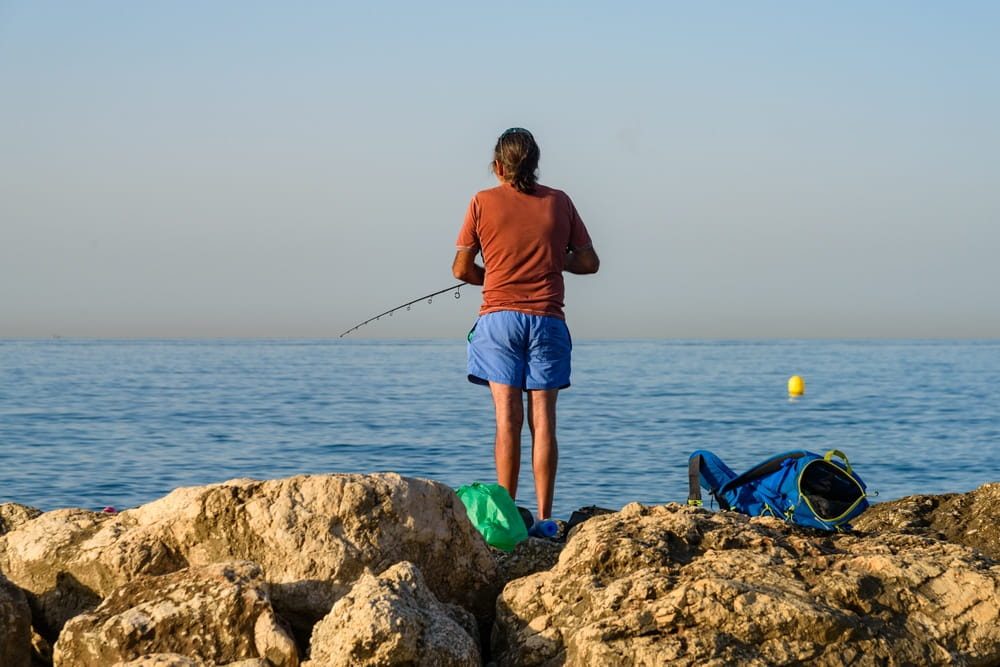
Torrevieja offers long, reliable breakwaters around Playa del Acequión, productive for seabream, sea bass, mackerel and garfish – and it’s well stocked with tackle shops if you need gear or advice on the spot.
El Campello is the gentlest option: calm beaches, harbour walls and rocky points that make it a sensible place to start if you’re new to Mediterranean shore fishing.
What’s Actually in the Water
The diversity here comes down to habitat variety – sand, reef, seagrass and deeper offshore ground all sit within reach of a single stretch of coast, so even shore anglers get a realistic shot at quality fish year-round.
Gilthead seabream is the classic shore catch: strong on the line and excellent on the plate, which is why it’s so prized locally. Sea bass follows a similar pattern but tends to push closer to the rocks as the water cools in autumn and winter. Come summer, the pace changes – bonito, mackerel and bluefish start moving fast through the shallows, and that’s when spinning really comes into its own. Head offshore and the target list gets bigger again: amberjack, large dentex, and, in the right season with the right operator, Mediterranean bluefin tuna.
Seasonality matters more here than novice anglers usually assume. Spring and autumn tend to bring the widest species mix, while winter shifts the focus toward squid and cuttlefish moving in close to shore. Getting a feel for these rhythms is arguably the single biggest factor separating an average session from a memorable one.
Make early starts and coastal days easier. Add useful hotel services before your stay: airport transfer, parking, breakfast delivery, extra cleaning or pool towels.
Tuna Fishing in Alicante: The Bucket-List Trip
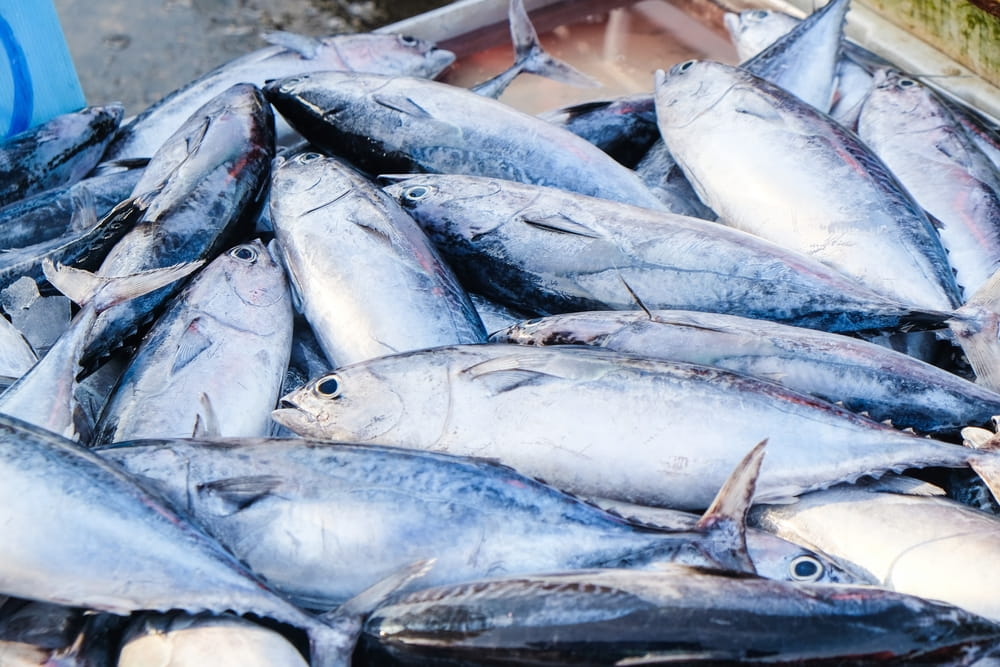
If there’s one experience that defines serious fishing in Alicante, it’s tuna. Mediterranean bluefin is one of the hardest-fighting fish in European waters – hooking a big one can mean an hour or more of sustained battle, and it demands specialised tackle plus a guide who knows what they’re doing.
This isn’t a fishery you can wander into. The season is tightly regulated, and only licensed charter operators holding the correct permits are legally allowed to target bluefin. Most departures run out of Alicante Marina, Santa Pola, Campello, Torrevieja and Dénia. A reputable operator handles the rods, reels, bait, safety gear and the licence covering the trip, and will brief first-timers properly before lines go in. Many now run catch-and-release as standard, which is worth asking about if it matters to you – it does to the fishery.
Charter Fishingin Alicante: Matching the Boat to What You Want
A good charter captain closes the gap between «having fun» and «catching fish» – they know the seasonal movements and the marks that don’t show up on a phone app. Charters here split roughly into four styles, and it’s worth picking the one that actually matches what you’re after rather than defaulting to whatever’s cheapest.
Coastal fishing stays close to shore in sheltered water – three to four hours, ideal for first-timers and families, and a good chance at seabream, mackerel and bonito depending on season. Low stress, decent action, good scenery.
Bottom fishing is more technical: the captain holds position precisely over reef and structure while you fish straight down to where the bigger fish hold. It regularly turns up dentex, seabream and grouper, and rewards patience and clean technique more than raw effort.
Trolling covers ground – the boat runs slowly while dragging several lures behind it, which is an efficient way to find fast-moving predators like bonito, amberjack and tuna, especially through the warmer months. The strikes tend to be sudden and hard, which is half the appeal.
Big game fishing is the full offshore experience: long days targeting powerful pelagics, bluefin tuna above all. It needs proper tackle and an experienced crew, but landing – or even just fighting – one of these fish is the kind of thing anglers talk about for years, catch-and-release or not.
✨Club Alegria
Sign up for our club and enjoy its benefits:
✔10% exclusive discount
✔Welcome amenity: complimentary water and coffee capsules
✔Check-out at 1:00 PM or Early check-in at 2:00 PM (optional)
The Licence: Not Optional, Even for a One-Week Visit
This is the part visitors most often get wrong. There’s no tourist exemption in Spain – whether you live here year-round or are fishing for a single afternoon, you need a valid recreational licence to fish independently. The one real exception is fishing aboard a licensed charter that already covers its clients under its own permits, which is worth confirming with the operator before you book.
Licences cover sea, shore, freshwater, lake and river fishing, and inspections by environmental officers or maritime authorities do happen – fines for fishing without one are substantial enough to make the paperwork worth doing properly. Carry your passport or NIE, the licence itself, and ID matching the name on it.
Costs are modest. A sea fishing licence runs roughly €20 for five years, though administrative and platform fees typically bring the real total to around €40–43. Freshwater licences are cheaper still, usually €10–26 and valid up to three years; resident pensioners may qualify for a free licence under regional rules.
Where to get one:
- Online, through the Generalitat Valenciana’s administration portal – often requires a Spanish digital certificate.
- In person, at the Territorial Environment Directorate in Alicante.
- Through a local tackle shop – the easiest route for most visitors, with many shops handling the paperwork for a small fee (around €8–10), particularly common around Torrevieja and Rojales.
- Via third-party services that specialise in processing Spanish fishing licences for international visitors, useful if you’d rather sort everything before you land.
When to Go
There’s no single «best» month, because different species peak at different times – but a rough pattern holds:
Spring (March–May) kicks off strong as fish become more active after winter.
Summer (June–August) belongs to tuna, bonito and amberjack, and night fishing picks up noticeably.
Many experienced local anglers actually rate autumn (September–November) as the best season for shore fishing – the water’s still warm, and fish feed aggressively ahead of winter.
Winter (December–February) slows the overall pace but stays productive for seabream, squid and cuttlefish.
As for timing within the day: dawn and dusk consistently outperform the middle of the afternoon, especially in midsummer when the heat, flat-calm water and crowded beaches all work against you. Rough water after a storm or persistent easterly winds will also knock the fishing back – worth checking conditions before you commit to a session.
Rules Worth Knowing Before You Cast
Spain’s recreational fishing regulations exist to keep the fishery healthy, and they do vary by species, location and method – so it’s worth a quick check before heading out rather than assuming last year’s rules still apply. Expect minimum legal sizes, daily catch limits, seasonal closures on certain species, and marine protected areas where fishing is restricted or banned outright. Carrying your licence and knowing the current limits is the difference between a good day and an expensive one.
Beyond the legal side, there’s the practical courtesy that keeps these spots fishable: take your rubbish home, pack out old line and hooks, and leave the coastline as you found it. It costs nothing and it’s the reason these marks stay productive.
Is It Worth It?
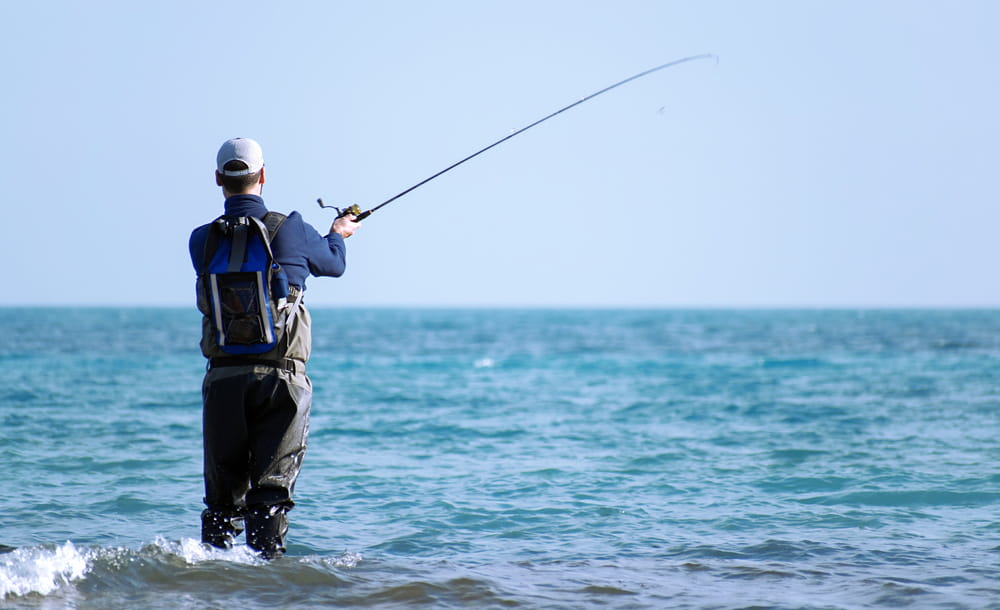
Genuinely, yes. Alicante has it all – easy and enjoyable shore fishing for beginners, as well as first-class sea adventures for anglers seeking bigger catches, all at affordable prices. With Alegria, catching your first sea bream or battling a tuna – which will be a real triumph for you – is just around the corner. Get your licence, choose a spot that suits your experience, and let the Mediterranean take care of the rest. And if you need company, equipment or a skipper who knows the best fishing spots – you already know where to find them.
Turning a fishing session into a full Alicante trip? Use the city as your base, explore the coast by day and return to a comfortable room in the evening.
FAQ
Can tourists fish in Alicante?
Yes. Tourists can fish in Alicante, but anyone fishing independently needs a valid recreational fishing licence. The main exception is fishing aboard a licensed charter that already covers clients under its own permits.
Where are the best shore fishing spots in Alicante?
Popular shore fishing areas include Cabo de las Huertas, Santa Pola, Torrevieja and El Campello. These spots offer a mix of rocky headlands, beaches, breakwaters and harbour walls.
What fish can you catch in Alicante?
Depending on location and season, anglers may catch gilthead seabream, sea bass, mullet, mackerel, garfish, bonito, bluefish, cuttlefish, squid, amberjack, dentex and, offshore with the right operator, Mediterranean bluefin tuna.
When is the best time to fish in Alicante?
Spring and autumn usually bring the widest variety of species. Summer is strong for tuna, bonito and amberjack, while winter can still be productive for seabream, squid and cuttlefish.
Do you need a fishing licence in Alicante?
Yes. There is no tourist exemption for independent fishing in Spain. You should carry your licence, passport or NIE, and matching identification. Licensed charters usually include the necessary permits for clients.