
Alicante is widely known for its golden beaches, Mediterranean climate, and vibrant coastal lifestyle. Yet beyond the sea and sunshine lies a rich cultural landscape that many visitors overlook. The city is home to fascinating museums that explore everything from ancient Iberian civilizations and contemporary art to maritime adventures, festive traditions, and local history.
Whether you are passionate about archaeology, curious about Spanish art, or traveling with family and looking for interactive experiences, Alicante offers museums for every taste. Many of them are located close to each other, making it easy to plan a full day – or even several days – of cultural exploration.
Below is a curated guide to some of the best museums in Alicante, including essential visitor information such as opening hours, ticket prices, location, and official websites.
Disclaimer: Information such as opening hours, ticket prices, and schedules may change. The details provided in this article are accurate at the time of publication, but visitors are advised to verify the latest information through official sources before planning their visit.
Main Museums in Alicante
Contemporary Art Museum of Alicante (MACA) – Museu d’Art Contemporani d’Alacant
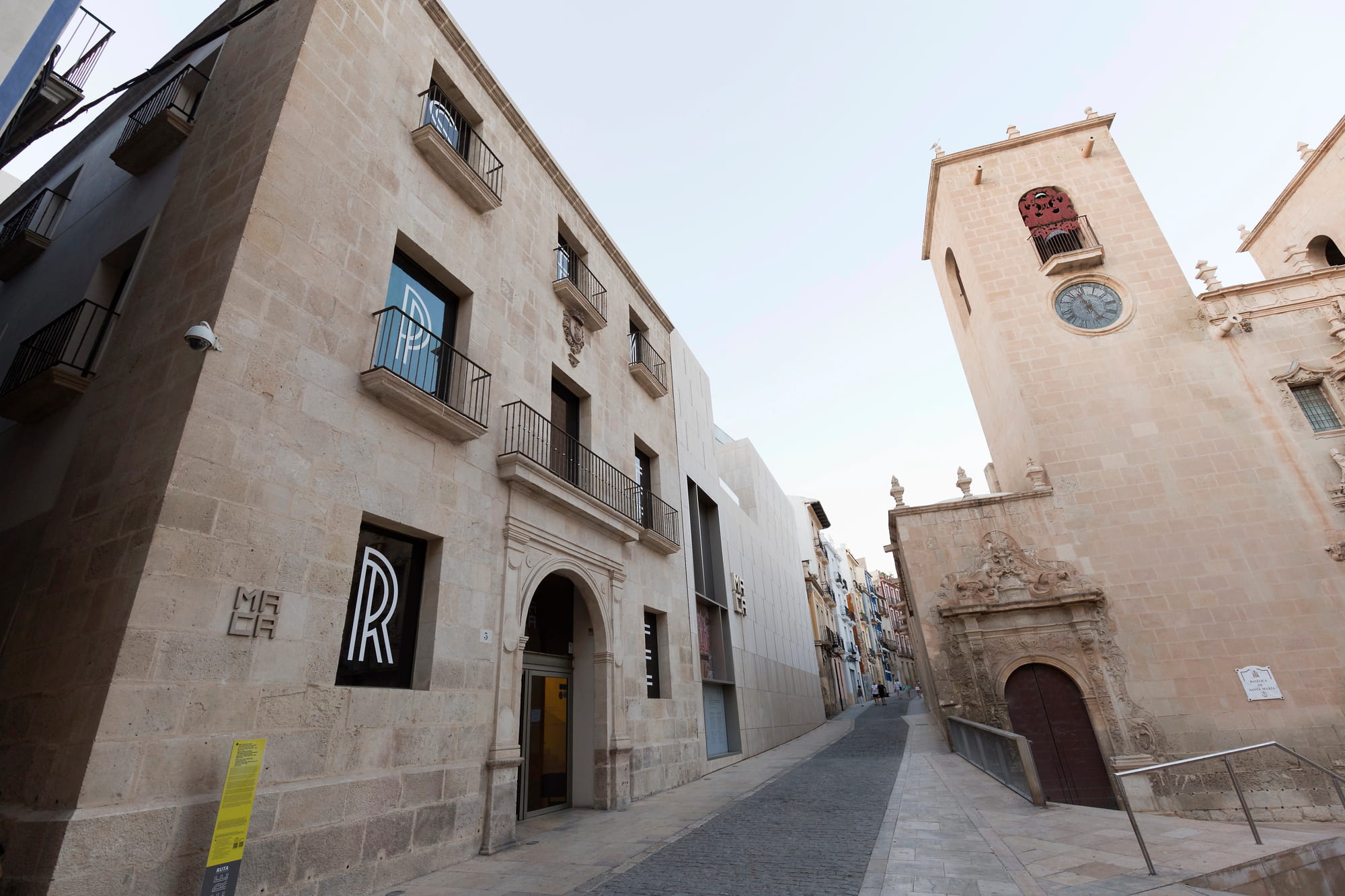
Located in the heart of Alicante’s historic center, the Contemporary Art Museum of Alicante (MACA) is one of the city’s most important cultural institutions. Housed in a beautifully restored 17th-century building next to the Basilica of Santa María, the museum blends historic architecture with modern design.
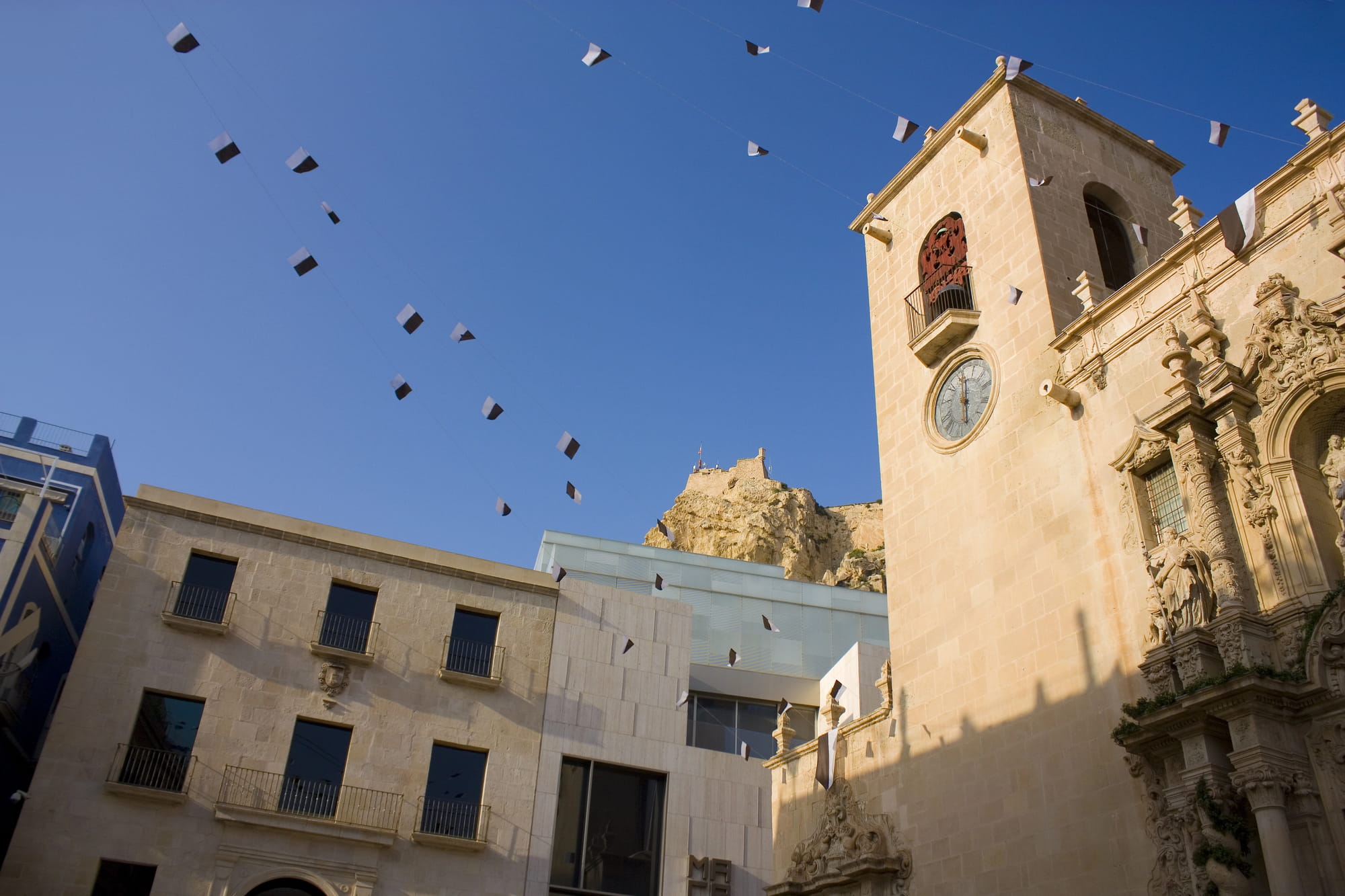
MACA’s permanent collection includes works from major 20th-century Spanish and international artists such as Picasso, Dalí, Miró, and Juan Gris, along with contemporary artists from the Juana Francés Collection.
- Opening hours: Tue–Sat 10:00–20:00, Sun 10:00–14:00, Closed Monday
- Entrance: Free
- Location: map
- Website: maca-alicante.es
Gravina Museum of Fine Arts (MUBAG) – Museu de Belles Arts Gravina
Located in the historic Gravina Palace, this museum focuses on Spanish and Valencian painting from the 16th to early 20th centuries.
The museum is housed in an elegant 18th-century palace near the Basilica of Santa María in Alicante’s old town. Its beautifully restored rooms provide a refined setting for an impressive collection of paintings that trace the development of regional artistic traditions over several centuries.
Visitors can admire works by important Valencian and Spanish artists, including religious paintings, portraits, and landscapes that reflect the artistic styles of different historical periods. Temporary exhibitions often complement the permanent collection and explore specific artists, movements, or themes within Spanish art.
- Opening hours: Tue–Sat 10:00–20:00, Sun 10:00–14:00
- Entrance: Free
- Location: map
- Website: www.mubag.es
Water Museum of Alicante and Pozos de Garrigós – Museu d’Aigües d’Alacant – Pouets de Garrigós
This museum explains how water shaped Alicante’s history. Visitors can explore the historic Pozos de Garrigós underground water wells carved into rock.
Located in the charming Santa Cruz neighborhood beneath Santa Bárbara Castle, the museum highlights the importance of water management in a region traditionally affected by drought. Through exhibitions and interactive displays, visitors learn how Alicante’s inhabitants historically collected, stored, and distributed water.
One of the most fascinating parts of the museum is the Pozos de Garrigós – a system of enormous underground cisterns carved into the rock during the 19th century. These structures once stored rainwater for the city and today provide a unique glimpse into the ingenuity of historical urban infrastructure.
- Opening hours: Tue–Thu 10:00–14:00 & 17:00–20:00, Fri 10:00–14:00 & 17:00–20:00, Sat–Sun 10:00–14:00, Closed Monday
- Entrance: Free
- Location: map
- Website: www.aguasdealicante.es/el-museo-de-aguas-de-alicante
Hogueras Museum – Museu de les Fogueres
Dedicated to Alicante’s famous Hogueras de San Juan festival. The museum displays colorful ninots saved from the annual bonfires.
The Hogueras de San Juan festival, held every June, is one of the most important celebrations in Alicante. During the festival, large artistic sculptures called hogueras are installed throughout the city and eventually burned in spectacular bonfires.
At the museum, visitors can see many ninots indultats – figures that were spared from the flames because they received the most votes from the public. These sculptures showcase the creativity, humor, and craftsmanship of local artists and offer insight into one of Alicante’s most beloved traditions.
- Opening hours: Tue–Thu & Mon 10:00–13:30 / 17:00–19:30, Fri 10:00–13:30 / 17:00–19:00, Sat–Sun 10:00–13:30, Closed Monday
- Entrance: Free
- Location: map
- Website: www.alicanteturismo.com/museo-de-fogueres-de-alicante
The Ocean Race Museum – Museo The Ocean Race
Located in Alicante Marina, this museum is dedicated to the famous round-the-world sailing race and includes interactive exhibits and simulators.
Alicante has been the official starting port of The Ocean Race, one of the most challenging sailing competitions in the world. The museum celebrates this incredible event and the sailors who navigate thousands of miles across some of the planet’s most extreme oceans.
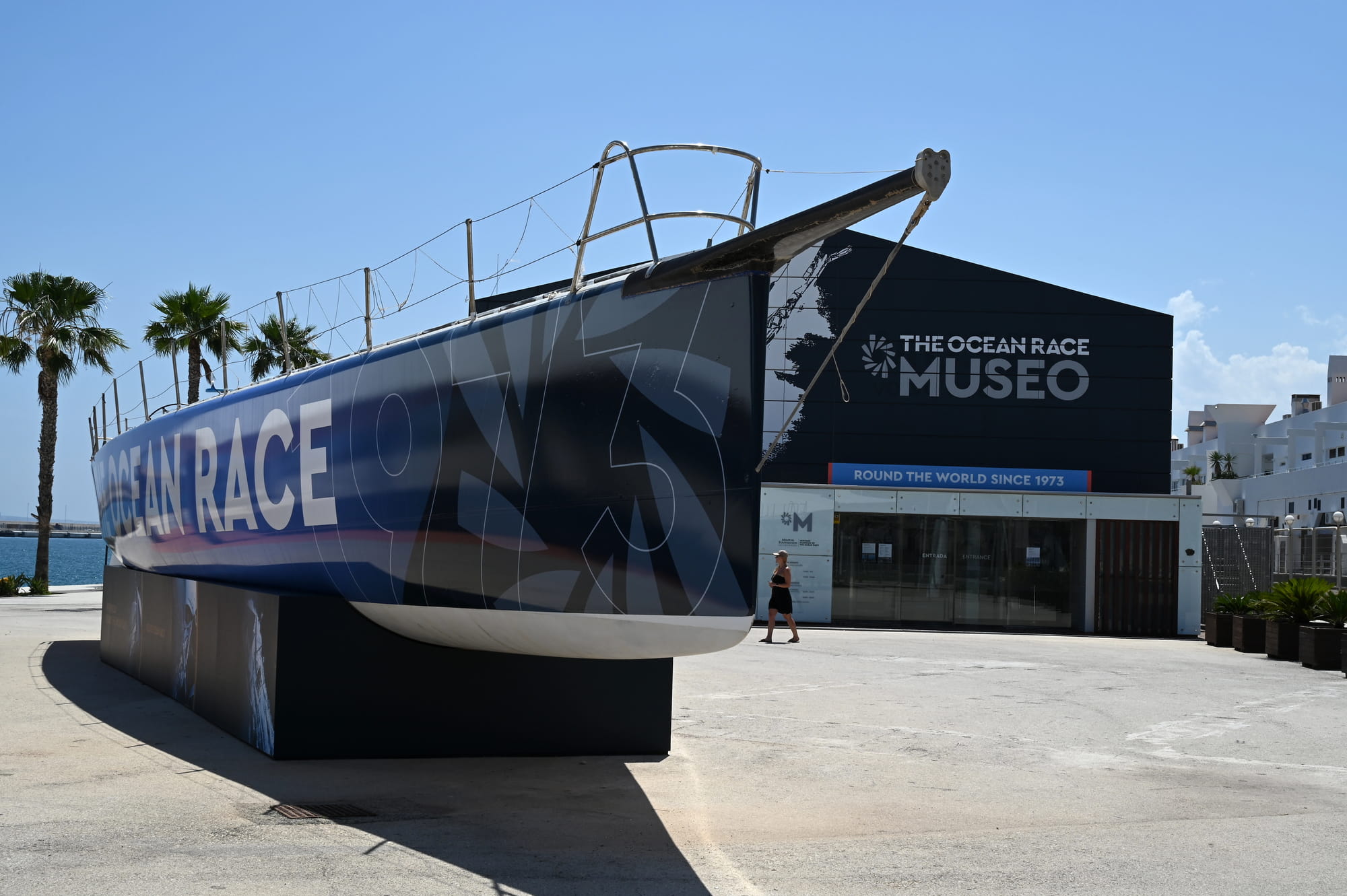
Visitors can explore immersive exhibits, multimedia displays, and sailing simulators that recreate the experience of life at sea during the race. The museum also focuses on ocean sustainability and marine conservation, making it both educational and inspiring for visitors of all ages.
- Opening hours: Wed & Thu 10:00–16:00, Fri–Sat 10:00–18:00, Sun 10:00–14:00, Closed Mon–Tue
- Entrance: Free
- Location: map
- Website: www.museotheoceanrace.com
Las Cigarreras Cultural Center – Les Cigarreres Centro Cultural
A former tobacco factory transformed into a creative hub with exhibitions, workshops, and concerts.
Las Cigarreras is one of Alicante’s most dynamic cultural spaces. The complex occupies the buildings of a historic tobacco factory where thousands of workers once produced cigarettes for decades.
Today the industrial complex has been transformed into a vibrant cultural center that hosts art exhibitions, film screenings, creative workshops, concerts, and cultural festivals. Its contemporary atmosphere attracts artists, designers, and creatives from across the region.
- Opening hours: Tue–Thu & Thu–Sat 10:00–21:30, Closed Mon–Sun
- Entrance: Free
- Location: map
- Website: www.cigarreras.es
Museum of the City of Alicante (MUSA) – Museo de la Ciudad de Alicante
Located inside Santa Bárbara Castle, the museum explores the history of the city from ancient times.
MUSA consists of several exhibition rooms spread across different parts of the Santa Bárbara Castle complex. Each section focuses on a different historical period, allowing visitors to explore how Alicante developed from early settlements to a strategic Mediterranean fortress.
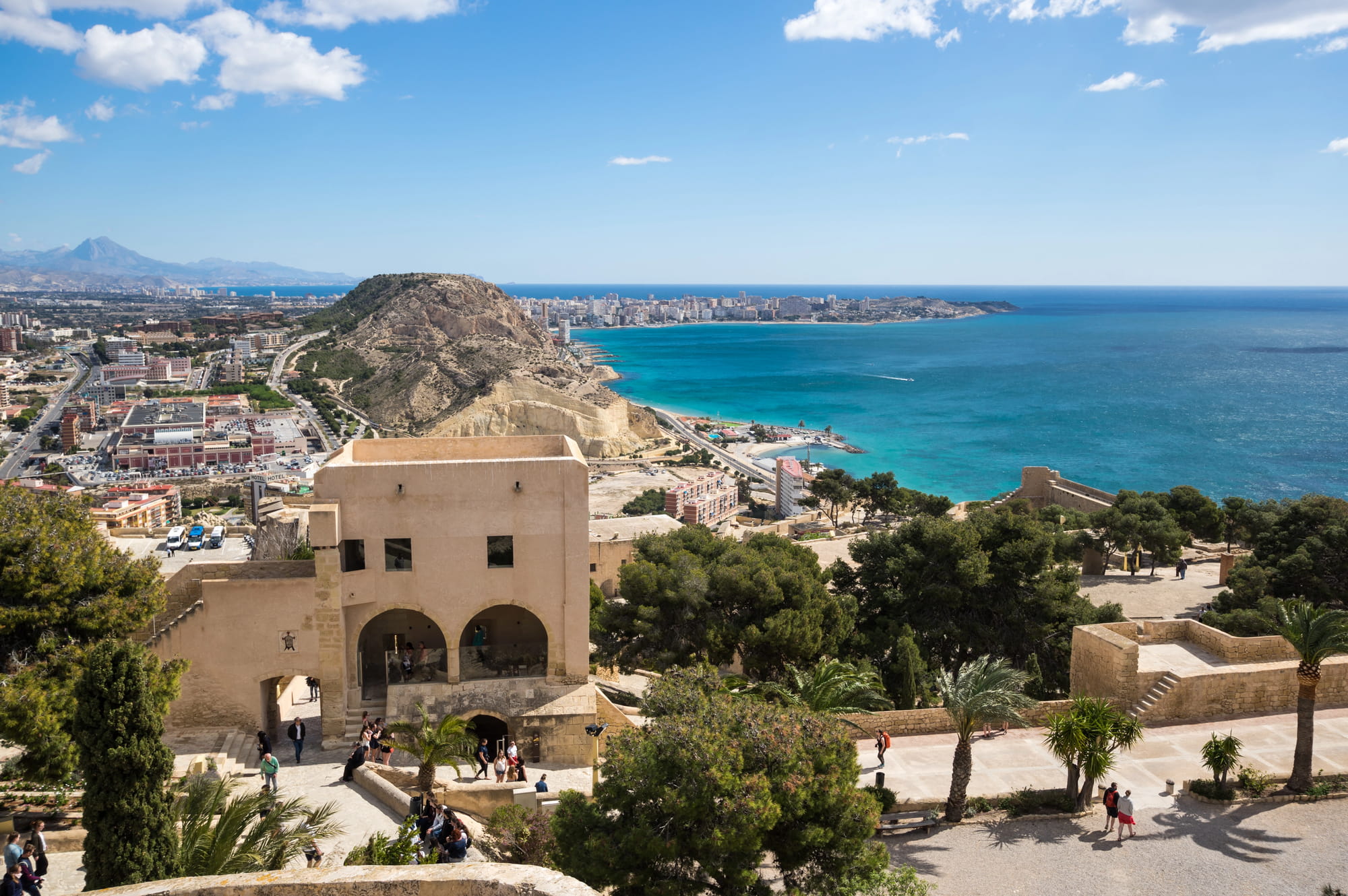
Exhibits include archaeological artifacts, historical documents, and multimedia presentations that explain the city’s military, political, and cultural past. Because of its location within the castle, visiting the museum also offers spectacular panoramic views of Alicante and the Mediterranean Sea.
- Opening hours: Daily 10:00–20:00 (seasonal variations)
- Entrance: Free
- Location: map
- Website: alicanteturismo.com/museo-de-la-ciudad-de-alicante-musa
Fish Market of Alicante – Lonja del Pescado de Alicante
A former fish market now used as an exhibition venue for contemporary art and cultural events.
Located near the marina, this historic building once served as Alicante’s main fish market where fishermen sold their daily catch. Today it has been carefully restored and repurposed as a cultural venue.
Lonja del Pescado regularly hosts temporary exhibitions featuring contemporary art, photography, sculpture, and cultural installations from both Spanish and international artists. The spacious halls make it one of the city’s most versatile exhibition spaces.
- Opening hours: Mon–Fri 07:00–15:00 (Closed Sat–Sun)
- Entrance: Free
- Location: map
- Website: www.alicante.es/es/exposiciones/la-lonja-del-pescado
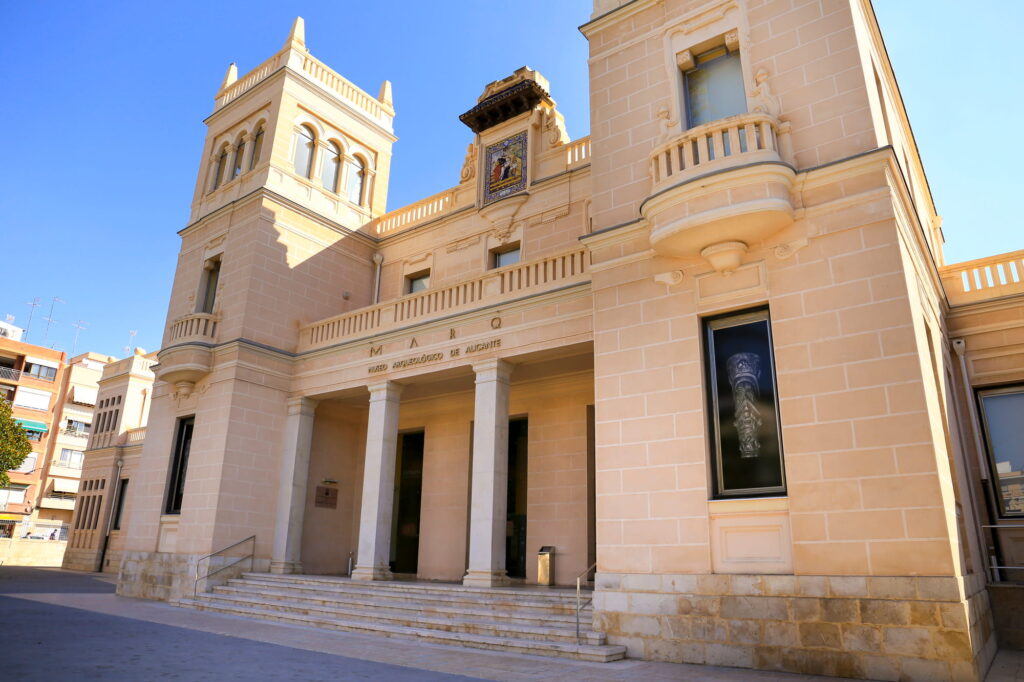
Provincial Archaeological Museum of Alicante (MARQ) – Museu Arqueològic d’Alacant
One of Europe’s most innovative archaeological museums, MARQ presents thousands of years of regional history using immersive exhibitions and multimedia displays.
Unlike traditional archaeological museums that simply display artifacts in glass cases, MARQ focuses on storytelling. Visitors can explore how archaeologists work in the field, how ancient societies developed, and how Alicante evolved from prehistoric settlements into an important Mediterranean city.
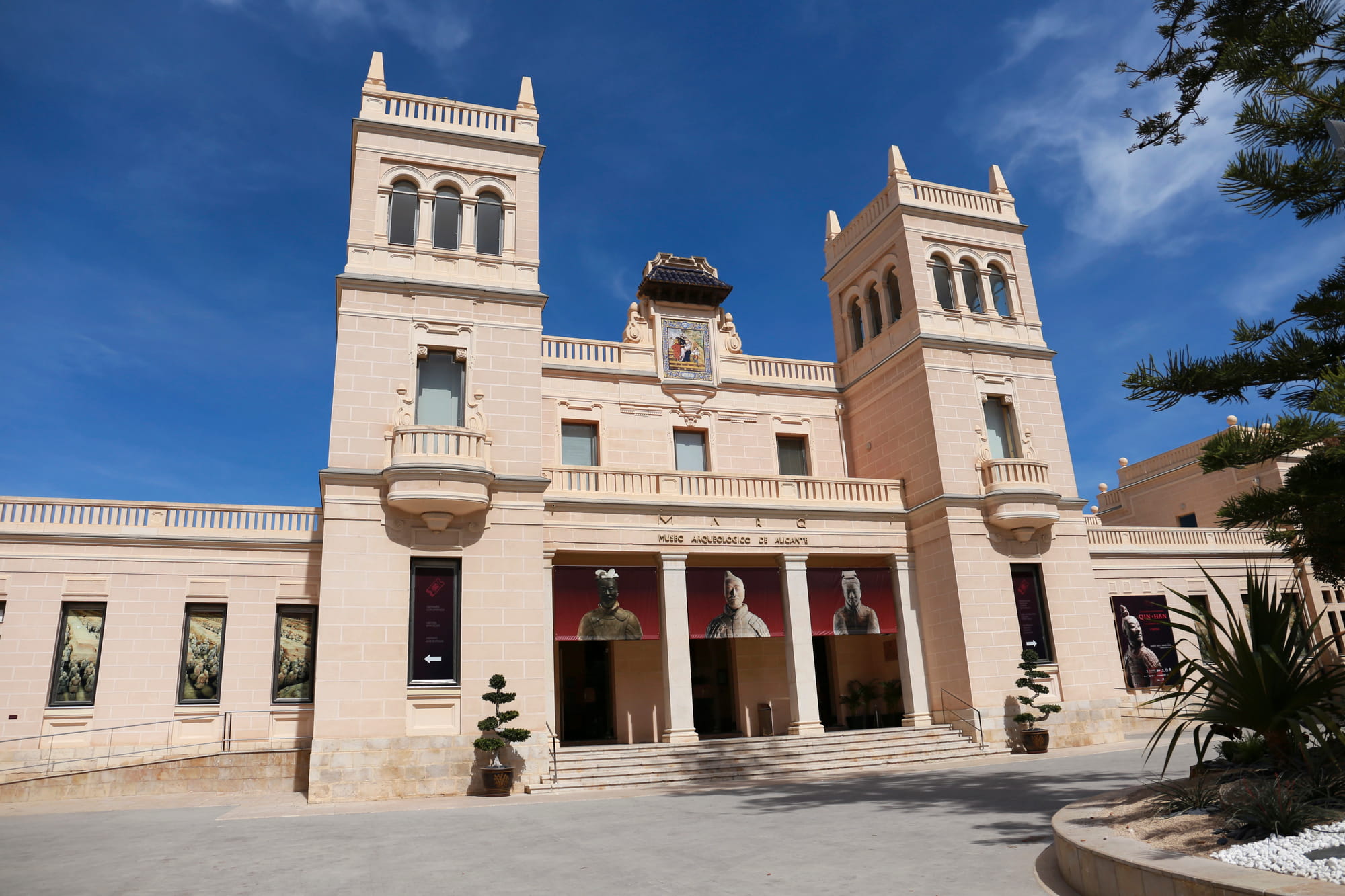
The museum’s permanent collection covers several historical periods, including Prehistory, Iberian culture, Roman Hispania, the Islamic era, and the Middle Ages. MARQ is also known for hosting high-quality international exhibitions, which often bring treasures from other parts of the world to Alicante.
- Opening hours: Tue–Sat 10:00–19:00, Sun 10:00–14:00, Closed Monday
- Entrance: ~€5 билеты здесь
- Location: map
- Website: www.marqalicante.com
Alicante Travel Guide: Everything You Need to Know About the City and Region
Nativity Scene Museum – Museu de Betlems
Showcases Spain’s tradition of intricate nativity scene craftsmanship.
Nativity scenes, known in Spain as belenes, are an important part of the country’s Christmas traditions. This museum celebrates the art of creating detailed miniature scenes that depict the birth of Jesus and everyday life in biblical settings.
The museum displays a wide variety of handcrafted figures, landscapes, and elaborate compositions created by skilled artisans. Visitors can see how these festive displays combine artistic creativity with religious and cultural heritage.
- Opening hours: Wed–Fri 10:00–13:45 & 17:15–19:45 (Closed Sat–Tue)
- Entrance: Free
- Location: map
- Website: www.alicante.es/es/equipamientos/museo-belenes
University of Alicante Museum (MUA) – Museu de la Universitat d’Alacant
A contemporary art museum located on the University of Alicante campus.
The Museum of the University of Alicante (MUA) is one of the region’s leading contemporary art spaces. Its modern architecture and spacious galleries host rotating exhibitions that feature works by emerging and established artists.
In addition to art exhibitions, the museum regularly organizes cultural events, academic conferences, and educational programs. The institution plays an important role in connecting the university community with the wider cultural life of Alicante.
- Opening hours: Tue–Fri 9:00–20:00, Sat 10:00–14:00
- Entrance: Free
- Location: map
- Website: www.mua.ua.es
Lucentum Archaeological Site – Lucentum Tossal de Manises
The remains of an ancient Roman city located near Alicante.
Lucentum is one of the most important archaeological sites in the province and represents the origins of modern Alicante. The site preserves the ruins of a Roman settlement that flourished between the 2nd century BC and the 3rd century AD.
Visitors can walk through the remains of Roman streets, residential buildings, public baths, and sections of the ancient city walls. Informational panels throughout the site help explain how the city functioned during the Roman era and how it interacted with other Mediterranean settlements.
- Opening hours: Tue–Sun 10:00–17:30
- Entrance: ~€3
- Location: map
- Website: www.marqalicante.com
Bullfighting Museum – Museo Taurino
Located next to the Alicante bullring, presenting the history and tradition of Spanish bullfighting.
This museum explores the cultural and historical significance of bullfighting in Spain, particularly in the Alicante region. It contains a collection of traditional costumes, photographs, posters, and memorabilia connected to famous bullfighters.
Visitors can learn about the rituals, symbolism, and artistic elements of bullfighting, as well as its controversial place in modern Spanish society. The museum is located inside the historic Plaza de Toros, one of the city’s most recognizable landmarks.
- Opening hours: Mon 10:00–16:00, Tue–Fri 10:30–13:30 & 17:00–20:00, Sat 10:30–13:30, Sun Closed
- Entrance: Free
- Location: map
- Website: www.alicante.es/es/equipamientos/museo-taurino
Museum of Illusions – Museo de las Ilusiones de Alicante
An interactive museum full of optical illusions and immersive installations.
Unlike traditional museums, the Museum of Illusions focuses on fun and interactive experiences. Visitors can explore rooms designed to challenge perception, perspective, and the way the human brain interprets visual information.
Exhibits include holograms, mirror rooms, gravity illusions, and puzzles that make this museum particularly popular with families and social media enthusiasts. It’s an entertaining stop that combines science, psychology, and visual art.
- Opening hours: Daily 10:00–20:00
- Entrance: €5-15 – билеты здесь
- Location: map
- Website: ilusionesalicante.es
Where to Stay in Alicante
Exploring Alicante’s museums can easily fill an entire day – or even several. From contemporary art and archaeology to maritime history and festive traditions, many of the city’s cultural attractions are located close to the historic center and the waterfront. For visitors who want to experience as much of Alicante as possible, staying in a well-connected neighborhood makes sightseeing far more enjoyable.
A convenient location allows you to combine museum visits with relaxing walks along the Mediterranean promenade, evenings in local tapas bars, and spontaneous discoveries in the charming streets of the old town. Being within walking distance of key landmarks also means you can explore the city at a slower, more authentic pace.
For travelers looking for comfort and accessibility, Alicante Smart Hotel provides an excellent base for discovering the city. The central location offers easy access to Alicante’s main tourist attractions, including Postiguet Beach, the Old Town, and Santa Bárbara Castle, while also placing guests close to local restaurants, cafés, and everyday city life.
Explore all room options:
Situated in the Carolinas Bajas area of Alicante, the hotel is conveniently located:
- 1.5 km from the train station and Alicante city center
- 20 minutes’ walk from Postiguet Beach
- 5 minutes from the Alicante Bullring
- 10 minutes from Santa Bárbara Castle
This location makes it an ideal starting point for visitors who want to explore Alicante’s museums during the day and enjoy the city’s vibrant Mediterranean atmosphere in the evening.
Recommended rooms:
Alicante is often associated with sunshine, beaches, and relaxed Mediterranean living. Yet beyond its famous coastline lies a rich cultural scene that tells the story of the city across centuries.
Exploring these museums allows visitors to see the city from a different perspective. Each exhibition, artifact, and historical building reveals another layer of Alicante’s identity – a place shaped by Mediterranean trade routes, artistic traditions, festive culture, and maritime adventures.
Whether you are passionate about history, art, or simply curious to discover something new during your trip, visiting one or several of these museums can add depth and inspiration to your time in the city.
The team at Alicante Smart Hotel is confident that during your stay you will visit at least a few of these fascinating places and discover something unexpected along the way. And we will continue to be your trusted guide to the best destinations in Spain – both for unforgettable travel experiences and for those who dream of embracing the Mediterranean lifestyle.
FAQ
What to do in Alicante for free?
There are plenty of free things to do in Alicante. You can stroll along the Explanada de España, explore the Old Town, enjoy the seafront, and visit several free museums such as MACA, MUBAG, the Water Museum, the Hogueras Museum, The Ocean Race Museum, and MUSA. This makes Alicante a great destination for travelers who want a cultural experience without a big budget.
What is the most visited museum in Spain?
The Prado Museum in Madrid is widely regarded as the most famous and one of the most visited museums in Spain. It is internationally known for masterpieces by Velázquez, Goya, Bosch, Rubens, and many other major European artists.
What to see in Alicante in 1 day?
If you only have one day in Alicante, focus on the historic center and waterfront. A practical route includes the Explanada de España, the Old Town, the area around the Basilica of Santa María, and one or two key museums such as MACA or MARQ. If your schedule allows, add Santa Bárbara Castle and MUSA for panoramic views and more insight into the city’s history.
Is Alicante a walkable city?
Yes, Alicante is a very walkable city, especially in the center. Many of the main attractions, museums, promenades, and historic streets are located close to one another, so it is easy to explore the city on foot and combine culture, sightseeing, and seaside walks in the same day.
Are museums in Alicante free?
Many museums in Alicante are free to enter, including MACA, MUBAG, the Water Museum, the Hogueras Museum, The Ocean Race Museum, MUSA, and MUA. Some attractions usually charge admission, such as MARQ, Lucentum Archaeological Site, and the Museum of Illusions, so it is worth checking official websites before your visit.