
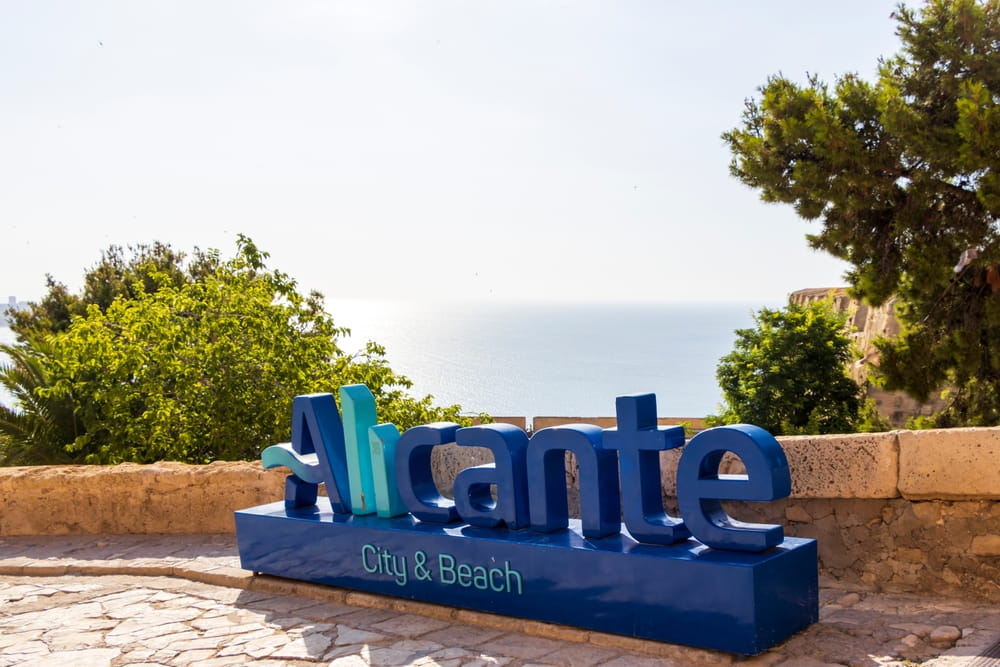
- Best for: travelers who enjoy beach life, cultural festivals, music, nightlife, local food, and a lively Mediterranean atmosphere.
- Summer mood: June is festive and traditional, July brings music and sea traditions, and August is hot, busy, and full of events.
- Weather: July and August often reach 30–34°C, but sea breezes usually make Alicante feel more comfortable than many inland destinations.
- Planning tip: book accommodation early for Hogueras de San Juan, July events, and August peak dates.
- Stay idea: Alicante Smart Hotel is a practical summer base for combining beaches, festivals, the Old Town, and relaxed evenings in the city.
Summer in Alicante is not just a season – it’s a full-scale celebration of light, sea, music, and tradition. The city transforms into a vibrant Mediterranean stage where ancient rituals meet modern festivals, and lazy beach days flow seamlessly into firework-filled nights. If you’re wondering whether Alicante is worth visiting in summer, the short answer is yes – but the long answer is far more interesting – let’s go!
Is Alicante Worth Visiting in Summer?
No doubt – though it depends on what you’re looking for. Alicante in summer is lively, social, and unapologetically festive. The coastline sparkles, terraces are always full, and there’s a constant rhythm of events. If you enjoy beach life, cultural traditions, and a buzzing atmosphere, summer is arguably the best time to visit.
That said, it’s not a quiet escape. The city fills up with both international tourists and Spanish holidaymakers, especially in July and August. But that energy is part of its charm – Alicante feels alive in a way that’s hard to replicate in quieter months.
Alicante’s Top Sights: What to See and Why This City Is Truly Special
Alicante sits comfortably in the «affordable Mediterranean» category. Compared to cities like Barcelona or Madrid, it’s noticeably cheaper, especially when it comes to dining and accommodation. However, prices do rise in peak summer – particularly during major events like the Hogueras de San Juan.
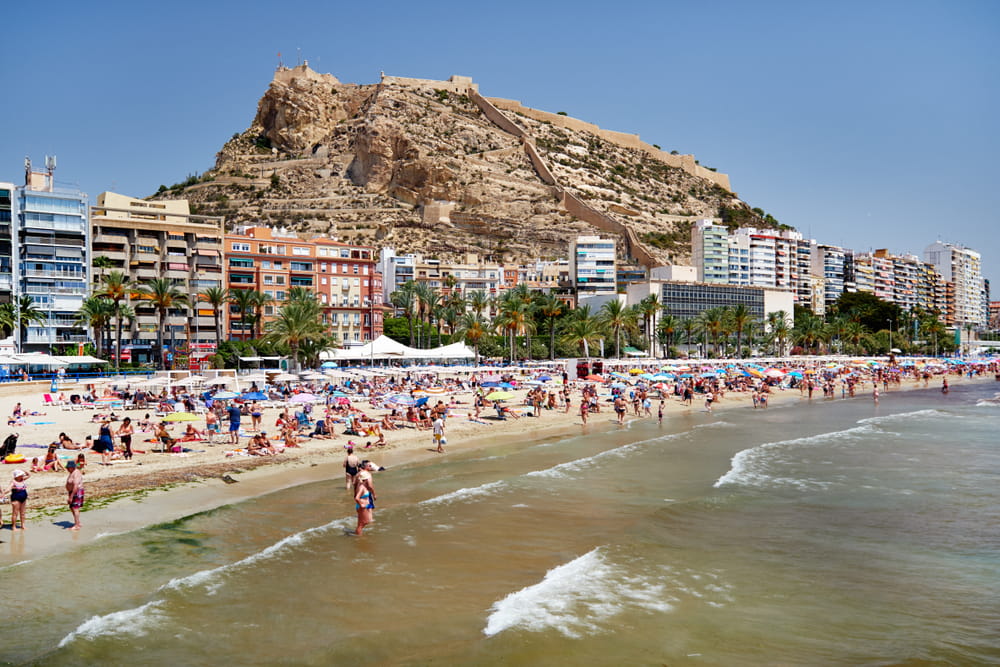
You can still eat well for a reasonable price, find budget-friendly apartments, and enjoy free experiences like beaches, promenades, and local fiestas. Alicante rewards those who plan ahead – last-minute bookings in June can be surprisingly expensive.
July and August are undeniably hot, with daytime temperatures often reaching 30–34°C. However, Alicante benefits from sea breezes that make the heat more tolerable than in inland cities. Evenings are warm but pleasant, perfect for late dinners and night walks.
Which is hotter: Malaga, Valencia, or Alicante?
Among Malaga, Valencia, and Alicante, the differences are subtle but noticeable:
- Malaga can feel hotter due to humidity and less consistent breeze.
- Valencia is also humid, especially in August.
- Alicante tends to feel slightly more comfortable thanks to its coastal airflow.
August is typically the hottest month, with higher humidity levels. If you’re sensitive to heat, June is a sweet spot – warm enough for the beach, but not overwhelming. In practical terms, all three are hot – but Alicante often feels the most balanced.
✨Club Alegria
Sign up for our club and enjoy its benefits:
✔10% exclusive discount
✔Welcome amenity: complimentary water and coffee capsules
✔Check-out at 1:00 PM or Early check-in at 2:00 PM (optional)
What to Do in Alicante in Summer (June, July, August)
1. June: Fire, tradition, and unforgettable nights
June is dominated by the legendary Hogueras de San Juan (June 19–24), Alicante’s most iconic celebration. The city fills with enormous artistic monuments that are burned in a spectacular finale on the night of June 24th. Expect daily mascletás (daytime firecracker shows), parades, music, and an electric atmosphere.
This is the most intense and culturally rich time to visit – but also the busiest. Booking accommodation early is essential.
- Website: https://www.hogueras.es
2. July: Music, sea traditions, and summer rhythm
July blends beach life with cultural events. One highlight is the Fiestas de la Virgen del Carmen (July 16), when coastal neighborhoods honor the patron saint of fishermen with maritime processions.
Music lovers will enjoy the FIJAZZ Festival, bringing avant-garde jazz performances to the city. Major concerts also take place at Área 12 Alicante, featuring artists like Pablo Alborán and Viva Suecia.
- Website: https://addaalicante.es/fijazz2026/
Evenings often end at the port, where El Muelle Live hosts smaller concerts and cultural gatherings.
3. August: Festivals, parties, and peak summer energy
August is peak summer – hot, busy, and packed with events. The Reggaeton Millennial Fest (August 7–8) brings nostalgia and high-energy performances from 2000s and 2010s hits.
- Website: https://reggaetonmillennialfest.es
Traditional culture remains strong with the San Roque Festivals (August 13–16), held in the Santa Cruz neighborhood. Expect street parties, music, and a deeply local atmosphere.
Throughout the summer, nearby towns host Moros y Cristianos – dramatic historical reenactments full of costumes, parades, and fireworks.
4. Other activities
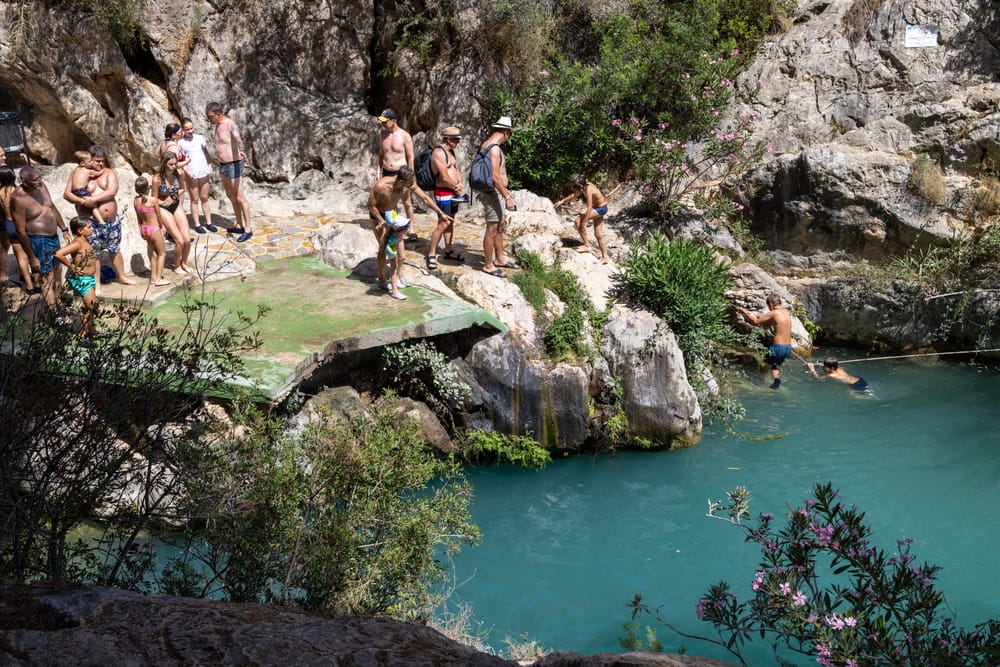
Alicante is also a great base for excursions a trip to Guadalest and the Algar Waterfalls combines mountain views with refreshing swims – just what you need in the height of the summer heat!
Find out for yourself a local food experience like the «Secret Flavors Tour of Alicante», a popular two-hour food tour, which includes tastings of over 16 local specialities and four types of wine. The tour takes you through the Central Market (Mercado Central) and historic shops with a local guide, offering you the chance to sample regional cheeses, cured meats, various sweets and fresh vegetables.
Late summer bonus: Early September extends the season with events like the Raval Roig Festivals and the Estrella Levante Festival, offering a slightly calmer but still festive atmosphere.
Summer in Alicante is intense in the best possible way – full of contrasts, from quiet seaside mornings to explosive festival nights. It’s not just about sun and beaches; it’s about the Spanish culture, international community, and exciting parties.
The Alicante Smart Hotel team is confident that this summer will be vibrant, intense, and truly unforgettable – and we’re not just talking about the temperature. Plan ahead so you don’t miss these bright events that matter most to you, and let our guide become your companion in discovering a cheerful summer filled with remarkable moments.
Is Alicante Old Town worth visiting?
Yes – the Old Town, known as Barrio de Santa Cruz, is one of the city’s most charming areas. Narrow white streets climb the hillside beneath Castillo de Santa Bárbara, decorated with flowers and colorful tiles. It’s especially magical in the evening, when the heat fades and the atmosphere becomes almost cinematic.
What is the nicest beach town near Alicante?
There’s no single answer, but a few standouts:
- Altea – artistic, whitewashed, and elegant.
- Villajoyosa – colorful houses and authentic charm.
- Jávea – crystal-clear coves and dramatic landscapes.
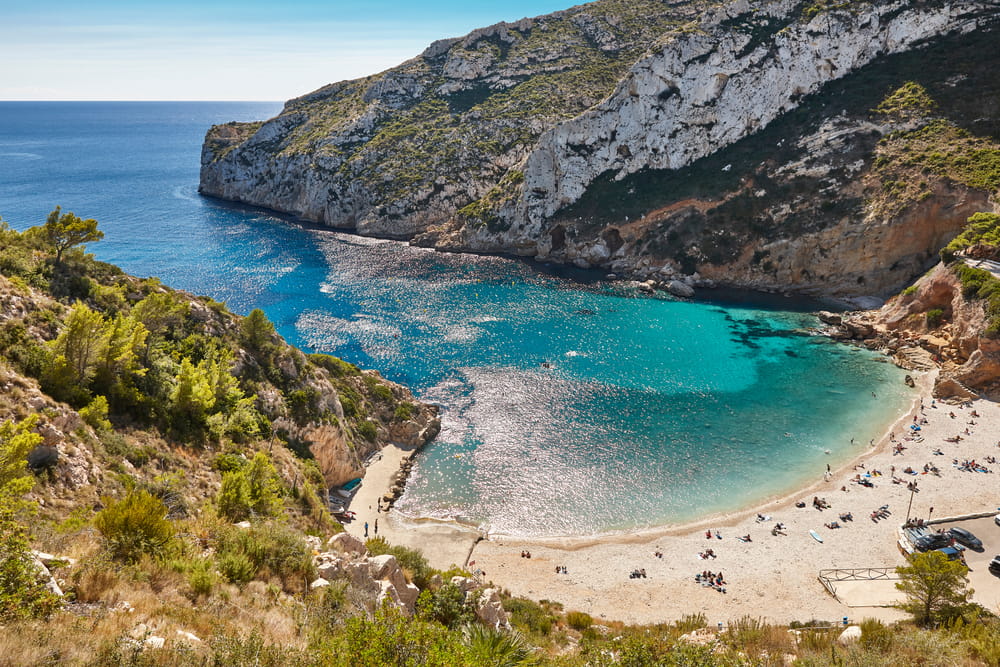
Each offers a different vibe, from bohemian to traditional to upscale coastal beauty.
Tabarca Island – All You Need to Know: What to See, How to Get There, Beaches and Gastronomy
How many days in Alicante is enough?
Three to five days is ideal. This gives you enough time to explore the city, relax on the beach, and take at least one day trip. If you want a slower pace or plan to explore nearby towns, a week is even better.
For a ready route, see our guide to the best itinerary for exploring Alicante in 2–3 days.
Make your Alicante summer easier
Choose a stay that works for beach mornings, city walks, festival nights, and relaxed recovery time. Alicante Smart Hotel is designed for guests who want comfort, independence, and a convenient base for discovering Alicante in summer.
FAQ
What is Alicante like in summer?
Alicante in summer is lively, bright, social, and festive. Beaches, terraces, concerts, local traditions, and warm evenings shape the whole season.
What is Alicante best known for?
Alicante is best known for its Mediterranean coastline, Postiguet Beach, Santa Bárbara Castle, Barrio de Santa Cruz, summer festivals, local food, and relaxed seaside lifestyle.
Which is hotter, Malaga or Alicante?
Both are hot in summer. Malaga can feel hotter because of humidity and less consistent breeze, while Alicante often feels more balanced thanks to coastal airflow.
Is Alicante hotter than Benidorm?
The difference is usually small because both are coastal Costa Blanca destinations. Alicante can feel warm in July and August, but sea breezes often make the heat manageable.
Is Alicante the sunniest city in Europe?
Alicante is often mentioned among Europe’s sunniest cities and is famous for its bright Mediterranean climate, though rankings can vary depending on the source and methodology.
Is Alicante really touristy?
Yes, especially in July and August. The city receives international tourists and Spanish holidaymakers, but that lively energy is part of its summer charm.
What to do in Alicante in July?
In July, enjoy beach life, Fiestas de la Virgen del Carmen, FIJAZZ Festival, concerts at Área 12 Alicante, evenings at the port, restaurants, and summer walks through the city.
Is Alicante too hot in July?
July is hot, often around 30–34°C during the day, but Alicante’s sea breezes usually make the heat more tolerable than in inland cities.
What to wear in Alicante in July?
Wear light summer clothing, breathable fabrics, sunglasses, a hat, sunscreen, comfortable sandals or walking shoes, and swimwear for beach days.
What is the hottest month in Alicante?
August is typically the hottest month, with higher humidity levels and peak summer energy across the city.
What is the best month to swim in Alicante?
July, August, and early September are usually the best months for swimming, with warm weather and a full summer beach atmosphere.
How windy is Alicante?
Alicante benefits from coastal airflow and sea breezes. These breezes are one reason summer heat can feel more comfortable than in inland destinations.